Let’s Explore Pranayama

Let’s Explore Pranayama! Pranayama techniques have diverse effects, much like unlike asanas/yoga poses do.

Let’s Explore Pranayama! Pranayama techniques have diverse effects, much like unlike asanas/yoga poses do.

The domain of hypnotherapy is a form of therapy that makes use of guided relaxation and visualization to help people achieve their goals.

Meditation and The Brain, Meditation has been scientifically proven to help you relax, reduce stress, and feel more focused.

Meditation and The Brain, Meditation has been scientifically proven to help you relax, reduce stress, and feel more focused.

Meditation and The Brain, Meditation has been scientifically proven to help you relax, reduce stress, and feel more focused.

Meditation and The Brain, Meditation has been scientifically proven to help you relax, reduce stress, and feel more focused.

1. Understand Autism Learning about autism spectrum disorders is the most crucial step in providing family support for those with the illness. Autism can appear in a variety of ways. For instance, a youngster with Asperger’s, a high-functioning form of autism, may otherwise appear normal but struggle with social cues. There is a lot of false information regarding autism out there, such as the unfounded connection to vaccines. It is made clear by the Centers for Disease Control that this is a false allegation. Obtain all of your knowledge regarding autism from dependable sources, such as academic journals, well-known newspapers, and autism advocacy organizations. 2. Be Inclusive How can I make an autistic child and their family feel included? you might be wondering. Being an ally to minorities of all kinds requires being inclusive. For autistic spectrum disorder, the same is true. Encourage participation by inviting the parent and the child to events. Making the distinction between inclusiveness and tokenism is crucial. Nobody ought to invite autistic kids to gatherings solely to appear “brave” or “inspirational.” Autistic persons do not like to feel like they are objects or charity cases. Instead, establish a sincere and honest connection with them and their parents. Children should learn to understand the problems that their friends are facing. If the parent is inclusive, the kids will probably be more inclusive of their peers who have autism. 3. Don’t Judge Having children is challenging enough. Being a parent to a child who has been diagnosed with autism is considerably more difficult. Never criticize a parent for apparent child-control issues or for the way they decide to raise an autistic child. Like an observer, they are probably straining and feeling annoyed. Additionally, it’s critical to avoid labeling autistic children as “dumb” because they are not. Autistic children excel at a number of tasks, including: * Solving complicated issues * The ability to spot patterns and anomalies * long-term memory 4. Maintain Confidentiality Sometimes parents would choose to confide in those they consider to be close friends. That does not, however, give someone the right to divulge sensitive information about a parent’s difficulties raising an autistic child. Unless otherwise noted, all comments should be kept private to support parents of autistic children. Breaking confidentiality can occasionally be damaging as well as impolite. This may include missed chances as a result of the release of sensitive medical data. Respect the right to privacy of both the parent and the child. 5. Advocate Autism-related stigma affects both parents and children greatly in daily life. They can lack legal protection for their rights. By promoting the rights of autistic persons in many ways, others can offer support. This can apply to situations where discrimination occurs politically or just generally in daily life. Speak out on behalf of parents and their kids to support them. It is a kind act that won’t be quickly forgotten. Autism Resources for Families with Children on the Spectrum Parents of autistic children need to feel supported and aware that they are not struggling alone. We highlight a few of the most valuable resources for parents of autistic children. 1. Support Groups A fantastic approach to connecting with other parents of children with autism spectrum disorder is through support groups (ASD). Families struggling with autism can exchange experiences and resources through support groups. An individual with autism may benefit from learning about new therapies or services from invited speakers. A virtual support network might also be helpful. They give busy families who can’t find the time to attend in person some flexibility. Unfortunately, there aren’t active in-person support groups in every community. This crucial gap can be filled and families can create a virtual network of support with the aid of online support groups. 2. Early Intervention Services Children under three who need early intervention services receive assistance and resources to help them reach developmental milestones. Through Part C of the Individuals with Disabilities Education Act, the federal government offers money to the states to aid in the administration of EI programs. Early intervention therapies have been demonstrated to enhance social interaction, language proficiency, and IQ. Early intervention services are essential for families since children with autism frequently have communication difficulties. 3. Financial Assistance The issue of how to support a child with autism financially causes difficulty for many families. Thankfully, insurance covers a lot of treatments. Medicaid can support parents of autistic children in low-income families by paying for medically essential therapy like applied behavior analysis. To aid with the cost of any additional autism resources they may require, families can also apply for SSI. Applying is definitely worthwhile, taking into account income restrictions. Autism presents special and devastating difficulties for parents of autistic children. Due to this, it’s critical that everyone acts as an ally and helps autistic children and their parents. Support the parents of autistic children by using these techniques.
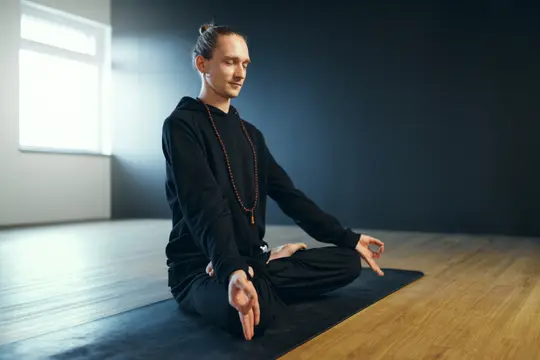
Yoga has been practiced for many years. In the past, sadhus and yogis were connected to it. Its many advantages are now acknowledged and validated by science. One such yoga exercise that concentrates on your breath is kapalbhati. It provides amazing advantages for your body, mind, and spirit. Kapalbhati, when done correctly, can help you purify your stomach, quiet your mind, and get rid of tension and other negative emotions. What is Kapalbhati? A quick breathing method called kapalbhati, also referred to as kapalbhati pranayama, lowers stress and improves general wellness. The name is derived from the Sanskrit words “Kapal” for forehead and “bhati” for sparkling. It is so named because practicing Kapalbhati can enhance both your physical and mental health. A quick breathing method called kapalbhati uses the abdominal muscles for a vigorous aggressive exhale and a calm, passive intake. Yoga professionals refer to Kapalbhati as “shat kriya,” which means the cleansing technique because it eliminates toxins from the body. An intermediate to advanced yoga method is kapalbhati. Your body is detoxified, extra carbon dioxide is eliminated, your core and chest are strengthened, and your nervous and circulatory systems are given energy. It is advised not to begin with Kapalbhati if you are brand new to breathing exercises. Before practicing Kapalbhati, you should become familiar with the fundamentals of breathing. How to do Kapalbhati? Many people attempt Kapalbhati without being aware of the appropriate form. To reap the health advantages of kapalbhati, it is crucial to perform it correctly. Kapalbhati is an easy and straightforward practice. Here is a detailed explanation of how to perform Kapalbhati: Correct posture of Kapalbhati Sitting with the proper posture is the first and most important step. How to do Kapalbhati: Choose any comfortable yoga pose to sit in, such as sukhasana, padmasana, or vajrasana. Your palms should face the sky when you place your hands on your knees. Make sure your neck is free of tension, your shoulders are relaxed, and your spine is straight. Don’t sit on the backrest. Select a calm setting and comfortable attire. Breathing technique of Kapalbhati After assuming the proper posture when seated, focus on your breathing: Breathe in deeply. As the air enters your gut, feel it. Use your abdominal muscles to help you aggressively exhale. Pull your navel as near to your spine as you can while inhaling. You should notice a quick movement and hear a hissing sound. Abdominal muscles will feel like they are contracting and relaxing. Repeat techniques of Kapalbhati Immediately and automatically take a breath after exhaling. Passive and automatic inhaling will be seen after two to three cycles. You only need to concentrate on exhaling quickly and firmly. Begin with 15 to 20 repetitions, then gradually up the quantity and speed. Don’t perform more than 20 slow repetitions if you have high blood pressure. Exercise the required prudence. The Benefits of Kapalbhati It removes toxins and purifies skin pores, leaving your skin glowing. Kapalbhati strengthens your lungs by expanding their capacity. It enhances digestion and metabolism. It increases blood flow throughout the body and gives you a feeling of vigor. Your focus is enhanced and your brain is cleared of clutter. It energizes your brain and activates your nerves. It boosts the creation of feel-good endorphins, assisting in the treatment of depression. It lessens the tension, anxiety, and worries that come with daily life. Ancient breathing exercises like kapalbhati have many positive health effects. It’s an easy method to learn and use for quick breathing. Kapalbhati is a breathing technique that helps to clear your stomach, quiet your mind, and relieve stress of all kinds. Individuals with mental health concerns might also benefit from kapalbhati. For expert assistance on mental health issues, check out Ishkama!

Imagine being aware of everything happening right now, in a neutral, conscious state with Mindful Yoga. Not labeling the experience as pleasant or unpleasant or good or bad, but simply observing. You might be just bathing. Just be conscious of the moment when the water strokes your body, the scent of the soap, the sense of the soap on the skin, and the shower water oozing all over. Whatever your feeling is, just feel it and accept it. Just the consciousness of every moment! The same awareness could be practiced while exercising or doing yoga. Much is recognized about the advantages of mindfulness and the benefits of yoga, but what happens when you merge the two together? And, how can you acquire the profits of exercise and yoga to their fullest, without any fear of harming your body? Don’t get disappointed by realizing that this is just a Yoga Blog. Workout is essential. Cardio and yoga also! But the real question is HOW? We believe how we do yoga, or any type of exercise is more crucial than the specific poses or sport that we usually do. Mindful yoga, or mindful exercise, obliges paying attention and being entirely present when you are moving. It implies taking note of your body (and discovering how to distinguish your body’s communication signs) so that you know when you should stop and when you should challenge yourself to do more. But the question is how can this secret of ‘body sense’ be developed and then practiced every day? Here is when Mindfulness penetrates into the picture! “Mindfulness is the understanding of the experience that your body goes through and the consciousness about the moments and perceptions. A quality of being in now, a realization of freedom, a feeling of being connected” When you involve mindfulness in a workout, you’ll be an expert in listening to your body, and with an unshakable application, bodily synchronization could be developed as per your needs. Incorporating mindfulness into any sort of activity gives a vigilant focus on the reality of the moment and how you react to it. Through mindfulness, your movement and yoga could be transferred into a form of meditation. This practice of bringing mindfulness to your everyday yoga and workout considerably strengthens your connection with both the inner self and the outer. At ISHKAMA, you will be supported in working on your mind, body & soul, recognizing yourself today with empathy, and responding with an optimistic outlook. By integrating mindful yoga, you can listen and practice with deep honesty, and brightness, and understand the true purpose of your existence. Indisputably the chemistry of interlacing inhalation, pose, and activity with mindfulness is indeed an extensive approach to our life. Come, let’s dive deeper into the depth of tranquillity and stillness and make our life meaningful!