Ishkama Ltd

Let’s Talk About Yoga Nidra!

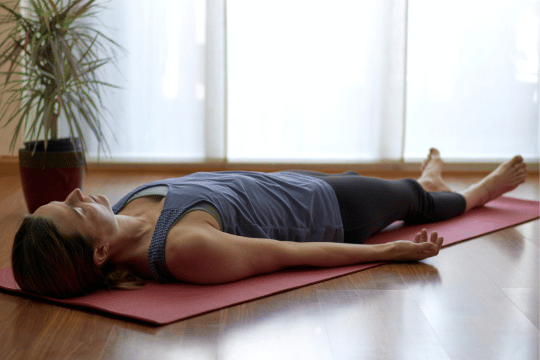
Hello there, seekers of calm and tranquility! Life can be pretty busy, right? With all the running around and endless tasks, it’s easy to feel like you need a break. That’s where Ishkama comes in, your go-to place for health, wellness, and something called Yoga Nidra – a magical way to relax and recharge. What’s the Buzz About Yoga Nidra? Ever wished you could chill out without actually falling asleep? Well, that’s exactly what Yoga Nidra is all about! It’s like a special kind of nap where you stay super relaxed but still aware. Picture yourself lying down comfortably, guided by a soothing voice – that’s the Yoga Nidra experience, and Ishkama is here to show you the ropes. Journey into Relaxation Yoga Nidra, which means a mix of “yoga” and “nidra” (sleep), isn’t just about snoozing. It’s like a mini adventure inside yourself, where you gradually let go of stress and tension. At Ishkama, our friendly instructors are all about bringing this ancient practice to your modern life. So, let’s explore why Yoga Nidra is the secret sauce for saying goodbye to stress and hello to relaxation. The Relaxation Symphony Imagine a playlist of calmness playing in the background as you unwind. Yoga Nidra is like that symphony, harmonizing your body, mind, and spirit. Ishkama’s instructors are here to guide you through a step-by-step process, helping you discover the treasures of relaxation within yourself. The Science of Feeling Good Now, let’s get a bit sciency but in a fun way! Studies show that Yoga Nidra doesn’t just make you feel good; it’s like a superhero against stress and anxiety. By waking up the “rest and digest” system in your body, Yoga Nidra brings a sense of calmness. Ishkama is all about making this ancient wisdom your everyday companion for a happy and healthy life. Ishkama: Your Relaxation Destination In a world that sometimes feels like a rollercoaster, Ishkama is your cozy corner of calm. We’re here to introduce you to the wonders of Yoga Nidra, not just as a fancy word but as a practical tool for feeling awesome. So, come join us on this journey to relaxation, and let Ishkama be your buddy in discovering the joy of Yoga Nidra! In a nutshell, at Ishkama, we believe relaxation isn’t just for special occasions; it’s a must for a happy life. Let’s dive into the world of Yoga Nidra together and make relaxation a part of your everyday adventure!

Reiki and meditation: Do They Complement Each Other? – Ishkama

Health and wellness are essential for leading a fulfilling life. In today’s fast-paced world, it’s easy to get caught up in the stress and pressure of daily life, leading to burnout and a decline in mental and physical health. To combat this, many people turn to practices like Reiki and meditation to help them relax, reduce stress, and improve overall wellness. But what is Reiki, and how does it relate to meditation? Reiki is a form of energy healing that originated in Japan in the early 20th century. It is based on the idea that a practitioner can channel positive energy into a person to help them heal physically, emotionally, and mentally. The practice involves placing the hands on or near the body in specific patterns, with the goal of restoring balance and harmony to the recipient’s energy fields. Meditation, on the other hand, is a practice that involves quieting the mind and focusing inward. It can take many forms, from mindfulness meditation to guided visualizations, and its purpose is to help people calm their minds, reduce stress, and improve overall mental and physical health. So, do Reiki and meditation complement each other? Absolutely! Reiki and meditation are complementary practices that can enhance and deepen each other’s effects. Here’s why: First, Reiki can prepare the body and mind for meditation. Reiki helps to release physical and emotional tension, making it easier for the mind to quiet and focus during meditation. Additionally, the calming and relaxing effects of Reiki can help to reduce stress, making it easier to enter into a meditative state. Second, meditation can enhance the effects of Reiki. During meditation, the mind and body are in a state of deep relaxation, making it easier for the Reiki energy to flow and have a deeper impact. Additionally, the focus and intention that are developed through meditation can help to amplify the positive effects of Reiki. Third, Reiki and meditation both help to reduce stress and improve overall health. Reiki helps to balance the body’s energy and promote relaxation, while meditation helps to quiet the mind and reduce stress. Together, these practices can have a powerful impact on reducing stress, improving sleep, and boosting overall health and wellness. In conclusion, Reiki and meditation are two complementary practices that can enhance and deepen each other’s effects. Whether you’re looking to reduce stress, improve overall health, or just take some time to relax and recharge, Reiki and meditation are two practices that can help you achieve your goals. So why not give them a try at Ishkama and see what kind of benefits you can experience? Your mind and body will thank you!

Manifest Your Best Self

In the whirlwind of everyday life, have you ever stopped to ponder the incredible influence your thoughts wield over your well-being? Welcome to Ishkama, where we don’t just focus on health and wellness – we’re advocates of the remarkable art of manifestation. Join us as we explore the enchanting universe of manifestation and unveil how it can weave magic into your life in the simplest, most extraordinary ways. Manifestation 101 Manifestation isn’t just a buzzword; it’s the secret sauce that connects your desires with the universe. At Ishkama, we’re all about the power of positive thinking and its profound impact on your overall well-being. Let’s dive into the basics of manifestation and discover how this age-old practice can be your key to a happier, healthier life. Mind-Body Harmony  Your mind and body are an unbeatable duo, and Ishkama is here to remind you of that unbreakable connection. By embracing positive thoughts, we believe you can sculpt not only your mindset but also your physical well-being. Join us on a journey where a positive mind sets the stage for a holistic transformation of your entire self. Intentions with Ishkama Setting the stage for manifestation begins with clear and positive intentions. Ishkama provides you with the tools to articulate your goals, ensuring they align with your deepest desires. By focusing your thoughts on these intentions, you kickstart a wave of positive energy that can lead to transformative changes in your life. Picture Your Success Visualization is the cornerstone of manifestation, and Ishkama is your guide to bringing your dreams to life. Whether it’s reaching a fitness milestone, finding inner peace, or strengthening your relationships, vividly imagining success with us is the catalyst for turning those dreams into reality. Positive Vibes with Affirmations Affirmations are like little power-packed statements that reshape your belief system. Ishkama encourages you to incorporate personalized affirmations into your daily routine, fostering a positive mindset that aligns with your goals and propels you toward a healthier, more fulfilling life. Mindfulness Matters In the chaos of our fast-paced lives, mindfulness becomes your anchor. Ishkama emphasizes the significance of staying present and engaging fully with each moment to create an open and receptive environment for manifestation. Because sometimes, all you need to transform your life is a bit of mindfulness. Gratitude’s Magic Touch Gratitude is a magnetic force, and Ishkama encourages you to harness its power. By appreciating the positive aspects of your life, you amplify the energy of abundance, opening doors to new possibilities and a sense of well-being that radiates from within. Ishkama’s Manifestation Magic Ready to embark on a transformative journey with Ishkama? Our manifestation workshops blend ancient wisdom with modern techniques, equipping you with practical tools to integrate manifestation into your daily life. Join our community of kindred spirits, and together, let’s unlock the magic of manifestation. At Ishkama, we’re not just about health and wellness; we’re about unveiling the extraordinary power within you through the magic of manifestation. Embrace this ancient art, take control of your thoughts, and let Ishkama be your guide to a life filled with vibrant health, boundless joy, and endless possibilities. Manifest the life you’ve always dreamt of – it’s simpler than you think!

Let’s Start Journaling for Mental Health – Ishkama

Are you looking for a way to improve your mental health? Have you ever tried journaling? Journaling is a simple yet powerful practice that can have a significant impact on your mental health and overall well-being. Whether you are dealing with stress, anxiety, depression, or simply looking for a way to cultivate mindfulness, journaling can be a valuable tool to add to your self-care routine. Journaling is an ancient practice that has been used for centuries to record personal thoughts and experiences. From the pages of famous writers to the journals of everyday people, the art of journaling has been celebrated for its therapeutic benefits. In fact, journaling has been shown to have a significant positive impact on mental health. Journaling is a simple but powerful tool that can help you gain insight into your thoughts, feelings, and behaviours. It can help you identify patterns in your life that may be contributing to negative emotions, and it can also help you develop new coping strategies for dealing with stress and anxiety. One of the key benefits of journaling is that it allows you to express your thoughts and feelings in a safe and private space. This can be especially helpful for people who find it difficult to share their emotions with others. By writing down your thoughts, you can gain a sense of clarity and perspective on your problems, and you can also start to identify patterns in your thinking and behaviour. In addition to helping you process your emotions, journaling can also be a useful tool for goal-setting and self-reflection. By setting aside time each day to write in your journal, you can track your progress toward your goals and identify areas where you may need to make changes. Another benefit of journaling is that it can help you improve your overall mental health. Studies have shown that people who journal regularly experience a reduction in symptoms of anxiety and depression, as well as improved self-esteem and a greater sense of well-being. At Ishkama, we will help you explore the benefits of journaling for mental health and how it can help you to better understand your thoughts and emotions. From reducing stress and anxiety to boosting self-esteem and enhancing creativity, we will dive into the many ways that journaling can support your mental health journey. We will also share some tips and techniques to help you get started with your own journaling practice, and how to make the most out of this powerful tool. So if you’re looking for a simple and effective way to improve your mental health, why not give journaling a try? Whether you’re dealing with stress, or anxiety, or simply looking to gain a better understanding of yourself, the benefits of journaling are clear. So, grab a pen and paper, and start writing!

How Nature Can Be Your Best Stress-Buster

In the hustle and bustle of modern life, stress seems to be an unavoidable companion. Whether it’s work deadlines, family obligations, or the constant buzz of technology, it’s easy to feel overwhelmed. But what if I told you that the solution to your stress might be as simple as stepping outside and immersing yourself in nature? Welcome to the world of ecotherapy, where the healing power of nature meets the art of stress reduction. At Ishkama, our mission is to promote holistic well-being through yoga, health, and wellness practices. And one of the cornerstones of our approach is ecotherapy. So, what exactly is ecotherapy? In essence, it’s the practice of engaging with nature to improve mental and emotional health. Whether it’s a stroll through the woods, a refreshing dip in the ocean, or simply sitting under a tree and listening to the birds chirp, ecotherapy encompasses a wide range of activities that connect us with the natural world. But how does nature help reduce stress? Well, the answer lies in the profound impact that the outdoors has on our physiological and psychological well-being. Research has shown that spending time in nature can lower cortisol levels, reduce blood pressure, and improve overall mood. Simply put, nature has a calming effect on our nervous system, helping us to unwind and de-stress after a long day. One of the key principles of ecotherapy is mindfulness – the practice of being fully present in the moment. When we’re surrounded by the beauty of nature, it’s easier to let go of our worries and distractions and focus on the here and now. Whether we’re admiring a breathtaking sunset, feeling the soft grass beneath our feet, or listening to the gentle rustle of leaves in the wind, nature has a way of grounding us in the present moment and reminding us of the beauty surrounding us. But ecotherapy is more than just a temporary escape from the stresses of daily life – it’s a sustainable solution for long-term well-being. By incorporating regular outdoor activities into our routine, we can build resilience to stress and cultivate a deeper connection with the natural world. Whether it’s going for a hike, practicing yoga in the park, or gardening in our backyard, there are countless ways to reap the benefits of ecotherapy in our everyday lives. At Ishkama, we’re passionate about promoting ecotherapy as a tool for stress reduction and overall well-being. That’s why we offer a variety of outdoor classes and workshops designed to help our clients connect with nature and nurture their mind, body, and soul. From guided nature walks to outdoor meditation sessions, our programs are designed to help you unplug from the chaos of modern life and reconnect with the healing power of the natural world. But you don’t have to wait for a class or workshop to experience the benefits of ecotherapy – you can start incorporating it into your daily life right now. Take a break from your screen and step outside for a few minutes of fresh air and sunshine. Go for a walk in the park, sit by a lake, or simply find a quiet spot in your backyard to relax and unwind. The important thing is to make time for nature in your busy schedule and prioritize your well-being. In conclusion, the impact of nature on stress reduction cannot be overstated. From lowering cortisol levels to improving mood and promoting mindfulness, spending time in nature has numerous benefits for our mental and emotional health. So why not make ecotherapy a part of your self-care routine? Whether you’re practicing yoga in the park, going for a hike, or simply enjoying a leisurely stroll through nature, you’ll be amazed at how much better you feel after spending time outdoors. So go ahead – take a deep breath, step outside, and let nature work its magic on your stress levels. Your mind, body, and soul will thank you for it. Remember, at Ishkama, we’re here to support you on your journey to greater well-being. So why not join us and experience the transformative power of ecotherapy for yourself? Your stress-free life awaits – all you have to do is take the first step.

The Art of Saying No – Ishkama

Have you ever found yourself going out of your way to please others, even at the expense of your own well-being? Perhaps you constantly say “yes” to requests and invitations, even when you’re already overloaded with commitments. Or maybe you find yourself constantly seeking approval from others and shaping your behavior to fit their expectations. People-pleasing is a common behavior, but it can also be a harmful one that can take a toll on your mental and emotional health. So, if you’re ready to break free from the cycle of constantly putting others’ needs before your own, let’s dive in! People pleasing can be a tricky habit to break. It often starts innocently enough, with a desire to make others happy or avoid conflict. However, over time, it can become all-consuming and can lead to feelings of burnout, resentment, and even anxiety. If you’re someone who struggles with people pleasing, it’s important to know that you’re not alone. Many people struggle with this issue, and the good news is that there are steps you can take to break the cycle. The first step in coping with people pleasing is to recognize that it’s a problem. This can be difficult, as people-pleasing can often feel like a positive trait. However, it’s important to acknowledge that constantly putting others’ needs before your own can be detrimental to your mental health and well-being. Once you’ve recognized the issue, it’s time to start setting boundaries. This can be challenging, as it may feel uncomfortable or even selfish at first. However, setting boundaries is a crucial step in taking control of your life and your relationships. Start small by saying no to things that don’t align with your values or priorities. It’s okay to prioritize your own needs and desires, even if it means saying no to others. Remember that saying no doesn’t make you a bad person – it simply means that you’re taking care of yourself. Another helpful tactic is to practice self-care. When you’re constantly putting others first, it’s easy to neglect your own needs. Take time to engage in activities that bring you joy and relaxation, such as reading, going for a walk, or taking a yoga class. Remember that self-care isn’t selfish – it’s essential for your overall well-being. Finally, consider seeking support from a therapist or counselor. Breaking the cycle of people-pleasing can be challenging, and it can be helpful to have someone to talk to about your struggles and goals. We’ve all been there – wanting to please everyone around us and fearing the consequences of not meeting their expectations. People-pleasing can be exhausting and even detrimental to our health and well-being. But the good news is that it’s a habit that can be broken, and with some effort, we can learn to prioritize our own needs while still maintaining healthy relationships with those around us. By breaking the cycle of people-pleasing with the help of Ishkama, we can create healthier and more authentic relationships with those around us. Remember that your needs matter and that taking care of yourself is not selfish – it’s necessary for your own well-being. So, take a deep breath, set those boundaries, prioritize self-care, and start living life on your own terms.

Should Meditation Be Taught in Schools?

The mental and emotional well-being of students has become a pressing concern in our fast-paced world. As educators and parents look for solutions, one ancient practice has been gaining modern recognition: meditation. But should meditation be taught in schools? Ishkama believes the answer is a resounding yes. Here’s why introducing meditation in schools could be a game-changer for students. Enhancing Focus and Academic Performance One of the most significant benefits of meditation is its ability to enhance focus and concentration. In a classroom setting, where distractions are plentiful and attention spans are often short, meditation can provide students with the tools they need to improve their focus. A study published in the journal Psychological Science found that mindfulness training, which includes meditation, improved students’ working memory and reading comprehension scores. Another study by the University of California, Santa Barbara, demonstrated that mindfulness practice led to significant improvements in GRE reading comprehension scores and working memory capacity. Reducing Stress and Anxiety The pressures of academic achievement, social interactions, and personal expectations can create a stressful environment for students. Meditation offers a simple yet powerful way to manage and reduce stress. Research published in JAMA Internal Medicine indicates that mindfulness meditation programs can help reduce symptoms of anxiety, depression, and pain. By teaching students to meditate, we can help them manage their stress responses more effectively, leading to a calmer and more balanced approach to their daily challenges. Fostering Emotional Well-being Emotional well-being is critical for a child’s overall development. Meditation encourages self-awareness and emotional regulation, helping students to understand and manage their emotions better. A study in Mindfulness Journal highlighted that mindfulness-based programs in schools improved emotional regulation, reduced aggression, and increased empathy among students. By incorporating meditation into the school curriculum, students can develop a greater sense of empathy, patience, and resilience. This emotional intelligence is not only beneficial for their personal growth but also fosters a more harmonious and supportive school environment. Improving Physical Health Meditation isn’t just about mental and emotional health; it also has tangible benefits for physical well-being. Regular practice can lead to better sleep patterns, lower blood pressure, and improved immune function. The American Heart Association suggests that meditation can reduce the risk of cardiovascular disease by lowering blood pressure and stress levels. These health benefits contribute to a student’s ability to stay healthy, active, and ready to learn. When students feel physically well, they are more likely to participate actively in school activities and perform better academically. Promoting Mindfulness and Presence In today’s digital age, students are often overwhelmed by constant connectivity and information overload. Meditation teaches mindfulness, the practice of being fully present in the moment. Mindfulness can help students detach from the distractions of technology and develop a deeper connection with their surroundings and themselves. Research from Harvard University found that mindfulness practice increased the brain’s gray matter density, particularly in areas associated with learning, memory, and emotional regulation. This presence of mind enhances not only academic performance but also the quality of interactions with peers and teachers. Encouraging Lifelong Healthy Habits Introducing meditation at a young age can set the foundation for lifelong healthy habits. When students learn meditation techniques early, they carry these practices into adulthood, reaping long-term benefits for their mental, emotional, and physical health. By integrating meditation into the school curriculum, we equip students with valuable tools that will serve them well throughout their lives. Long-term studies, such as those published in the American Journal of Health Promotion, have shown that adults who practiced mindfulness and meditation from a young age maintain lower levels of stress and better overall health. Building a Supportive Community Meditation can also help build a sense of community within schools. Group meditation sessions create a shared experience that fosters a sense of unity and collective well-being among students. This can lead to a more supportive and inclusive school culture, where students feel connected and valued. Research from the University of Wisconsin-Madison showed that group mindfulness activities could reduce instances of bullying and improve overall school climate. Implementing Meditation in Schools To successfully integrate meditation into schools, it’s essential to provide proper training for teachers and create a supportive environment for practice. Schools can start with short, guided meditation sessions and gradually increase the duration as students become more comfortable with the practice. Programs like MindUP and the Mindfulness in Schools Project have developed curricula specifically designed for educational settings, providing resources and training for teachers to effectively deliver meditation practices. Conclusion At Ishkama, we are passionate about the transformative power of meditation. Teaching meditation in schools has the potential to enhance focus, reduce stress, foster emotional well-being, improve physical health, and promote mindfulness among students. By integrating this ancient practice into the modern educational system, we can create a more balanced, healthy, and harmonious learning environment. With the growing body of research supporting its benefits, meditation stands out as a valuable addition to the school curriculum, preparing students not only for academic success but for a healthier and more fulfilling life.

Strategies for Improving Emotional Intelligence – Ishkama

Greetings, fellow seekers of wellness and personal growth! Today, we delve into a fascinating and crucial aspect of our inner landscape: emotional intelligence. As we navigate the ups and downs of life, our ability to understand, regulate, and express our emotions can make all the difference in our relationships, our careers, and our overall well-being. In this blog post, we’ll explore some powerful strategies for enhancing our emotional intelligence and unleashing our full potential. So, take a deep breath, open your mind, and let’s embark on this transformative journey together! Practice Mindfulness: Mindfulness is the practice of being present and fully engaged at the moment. By practicing mindfulness, we can become more aware of our emotions and how they impact our thoughts, behavior, and relationships. Regular meditation and mindfulness exercises can help us develop emotional intelligence by increasing our ability to observe our emotions, thoughts, and bodily sensations. Cultivate Empathy: Empathy is the ability to understand and share the feelings of others. By cultivating empathy, we can better understand the needs and concerns of others, which can help us build stronger relationships. One way to cultivate empathy is by actively listening to others and attempting to understand their perspective without judgement. Learn to Label Your Emotions: Sometimes, we may not be able to identify what we’re feeling. Learning to label our emotions can help us recognize and manage them more effectively. For example, if you’re feeling anxious, simply labeling that emotion can help you recognize it, and take steps to manage it. Develop Self-Awareness: Self-awareness is the ability to recognize our own emotions, and how they impact our behavior and interactions with others. By developing self-awareness, we can better understand our own strengths and weaknesses, and work on areas that need improvement. Practice Emotional Regulation: Emotional regulation is the ability to manage and control our emotions effectively. By practicing emotional regulation, we can avoid impulsive behavior and communicate more effectively. One effective technique is to take a few deep breaths when feeling overwhelmed, as it can help us calm down and manage our emotions. Seek Feedback: Feedback from others can be a valuable tool for improving emotional intelligence. Seeking feedback from friends, family or colleagues can help us understand how our behavior and communication style impacts others, and provide us with valuable insights into areas for improvement. As we wrap up our discussion on strategies for improving emotional intelligence, it’s clear that our journey to greater self-awareness and empathy is an ongoing process. By taking small steps each day, such as practicing mindfulness and active listening, we can gradually develop the skills we need to become more emotionally intelligent individuals. But let’s not forget that emotional intelligence is not just about ourselves; it’s also about how we relate to others. By cultivating positive relationships and seeking to understand the perspectives of those around us, we can create a more empathetic and compassionate society. At Ishkama, we believe that emotional intelligence is an essential aspect of overall well-being. That’s why we offer a variety of resources and tools to help you on your journey toward greater emotional intelligence. From guided meditations to self-reflection exercises, we’re here to support you every step of the way. So, let’s commit to improving our emotional intelligence, not just for ourselves, but for the betterment of those around us. Together, we can create a more emotionally intelligent and empathetic world.

How Long Do the Effects of a Massage Last?

Massage therapy is a widely recognized method for relaxation, pain relief, and overall wellness. At Ishkama, we often hear the question: “How long do the effects of a massage last?” The answer varies depending on several factors, but here’s a comprehensive look at what you can expect from your massage experience. Immediate Benefits The moment you get off the massage table, you’ll likely feel an immediate sense of relaxation and relief. This is due to the physical manipulation of muscles and tissues, which helps to release tension and increase blood flow. The immediate effects of a massage can include: These immediate benefits can last from a few hours to a couple of days, providing a noticeable improvement in how you feel. Short-Term Effects In the days following a massage, many people continue to experience positive effects. The duration of these effects can vary based on the type of massage, the individual’s condition, and their lifestyle. Short-term benefits typically include: Long-Term Benefits For those who receive regular massages, the cumulative benefits can be substantial. Regular massage therapy can contribute to long-term improvements in overall health and well-being. These benefits include: Factors Affecting the Duration of Massage Benefits Several factors influence how long the effects of a massage last, including: Making the Most of Your Massage To maximize the benefits of your massage, consider these tips: Conclusion At Ishkama, we believe in the transformative power of massage therapy as part of a holistic approach to health and wellness. While the immediate effects of a massage can be felt for a few hours to a couple of days, the cumulative benefits of regular massage therapy can significantly enhance your physical and mental well-being. By understanding the duration and factors that influence the effects of a massage, you can better incorporate this practice into your routine for sustained health and happiness.

Some Stress Buster Techniques – Ishkama

Welcome to our health and wellness blog! Today, we’re excited to share with you all what you can expect during a reflexology session. First, let’s start with a brief explanation of reflexology. It’s a form of alternative therapy that involves applying pressure to specific points on the feet, hands, or ears. These points are believed to correspond with specific organs and systems in the body, so by applying pressure, reflexologists aim to promote healing and relaxation throughout the body. Now, onto what you can expect during a reflexology session. The first thing you’ll do is remove your shoes and socks (if you’re receiving foot reflexology) and sit or recline comfortably. The reflexologist will then begin to apply pressure to various points on your feet (or hands/ears, if you’re receiving those types of reflexologies). It’s important to note that reflexology should never be painful – if you experience any discomfort, be sure to let your reflexologist know. During the session, you may feel a range of sensations, from light pressure to tingling or even slight discomfort. These sensations are all normal and are a sign that the reflexologist is working on the corresponding areas of your body. As the session progresses, you’ll likely start to feel more and more relaxed. Reflexology has been shown to reduce stress and promote a sense of calm and well-being. After the session, you may feel a sense of rejuvenation and renewed energy. It’s also worth noting that reflexology is not a one-time fix – like any form of therapy or wellness practice, it’s most effective when done regularly. Many people incorporate reflexology into their overall wellness routine, scheduling sessions every few weeks or months to maintain balance and harmony in their bodies. In summary, reflexology is a gentle and effective form of alternative therapy that can promote relaxation, reduce stress, and promote overall wellness. During a session, you can expect to feel comfortable, relaxed, and perhaps even a little sleepy. At Ishkama, we offer a range of reflexology services to help you feel your best. Whether you’re dealing with chronic pain, or stress, or just looking for a way to relax and unwind, our experienced reflexologists can help. But reflexology isn’t just about physical healing. It’s also a deeply relaxing and rejuvenating experience for the mind and soul. By tuning into your body’s natural rhythms, reflexology can help you feel more centred, focused, and at peace. So why not give reflexology a try? Whether you’re a seasoned pro or a first-time client, we’re here to guide you on your journey to better health and wellness. Contact us today to schedule your appointment, and take the first step towards a happier, healthier you.