Ishkama Ltd

The Importance of Self-compassion in Mental Health – Ishkama

When it comes to taking care of our mental health, we often focus on things like therapy, exercise, and medication. While these are all important aspects of mental health care, there is one critical component that is often overlooked: self-compassion. Self-compassion is the practice of treating ourselves with kindness, understanding, and empathy. It involves recognizing that we are human and that we all make mistakes, and it means responding to ourselves with the same level of care and compassion that we would offer to a friend. Why is self-compassion so important for our mental health? For one thing, it can help us to manage difficult emotions like anxiety and depression. When we are kind to ourselves, we are less likely to get stuck in negative thought patterns and more likely to feel a sense of hope and optimism about the future. Self-compassion can also help us to cultivate resilience in the face of challenges. When we treat ourselves with kindness, we are better able to bounce back from setbacks and failures. We are more likely to persevere in the face of adversity, and we are less likely to give up when things get tough. Finally, self-compassion is a critical tool for building healthy relationships with ourselves and with others. When we are able to treat ourselves with kindness and compassion, we are more likely to extend those same qualities to the people around us. This can lead to deeper connections, stronger support networks, and a greater sense of well-being overall. So how can we practice self-compassion in our daily lives? Here are a few tips: Practice mindfulness. Pay attention to your thoughts and feelings without judgment or criticism. Simply observe them with curiosity and compassion. Use positive self-talk. Replace negative self-talk with kind, encouraging words. For example, instead of saying “I’m such an idiot,” try saying “I made a mistake, but that doesn’t define who I am.” Take care of yourself. Treat yourself like you would treat a good friend. Make time for rest, relaxation, and self-care activities that bring you joy. At Ishkama, we believe that self-compassion is an essential part of mental health care. We offer a range of resources and tools to help you cultivate self-compassion in your daily life, including guided meditations, self-care tips, and online support groups. Visit our website today to learn more and start your journey toward greater well-being.

The Connection between Gut Health and Mental Health – Ishkama

Are you feeling stressed, anxious, or just not like yourself lately? Have you considered that the key to improving your mental health might lie in your gut? The connection between gut health and mental health is a hot topic in the health and wellness industry and for good reason. The human gut is home to trillions of bacteria, collectively known as the gut microbiome. These bacteria play a crucial role in our overall health, including our mental health. Research has shown that there is a strong link between the health of the gut microbiome and mental health disorders such as depression, anxiety, and even schizophrenia. So how does the gut microbiome affect our mental health? One theory is that the bacteria in our gut produce neurotransmitters, the chemicals responsible for transmitting signals in the brain. In fact, up to 90% of our body’s serotonin, a neurotransmitter that regulates mood, is produced in the gut. When the gut microbiome is imbalanced, it can lead to a decrease in the production of neurotransmitters, which can then lead to mental health issues. Another way that the gut microbiome affects mental health is through the immune system. The gut is responsible for a significant portion of our immune system, and an imbalanced microbiome can lead to chronic inflammation, which has been linked to depression and other mental health disorders. So, what can we do to improve our gut health and, in turn, our mental health? The first step is to focus on our diet. Eating a diet rich in whole foods, fiber, and fermented foods can help support the growth of healthy gut bacteria. Probiotic supplements can also be beneficial for restoring a healthy balance of bacteria in the gut. Reducing stress levels is also crucial for improving gut health and mental health. Stress has been shown to negatively impact the gut microbiome, so finding ways to manage stress, such as through exercise, meditation, or therapy, can be beneficial. Finally, it’s important to remember that everyone’s gut microbiome is unique, and what works for one person may not work for another. Experimenting with different diets, supplements, and lifestyle changes can help you find what works best for you and your gut health. At Ishkama, we believe that taking care of your gut health is crucial to maintaining your overall mental and physical health. By prioritizing your gut health through a healthy diet, regular exercise, and stress reduction techniques, you can help to support your mental well-being and keep yourself feeling great. Whether you’re dealing with anxiety or depression, or just looking to improve your overall health, focusing on your gut health is a great place to start. With the right tools and resources, you can take charge of your health and well-being and start feeling your best. So why wait? Head on over to our website today to learn more about the connection between gut health and mental health, and start taking steps towards a healthier, happier you!

Unveiling the Power of Personal Counselling | Ishkama

In today’s fast-paced world, prioritizing mental health and wellness is paramount. As stress levels rise and challenges mount, individuals often find themselves in need of guidance and support. This is where the power of personal counseling comes into play. In this blog, we will delve into the four stages of counseling, explore the numerous benefits it offers, discuss how personal counseling can help improve mental health, identify situations that may necessitate counseling, shed light on what happens during in-person counseling sessions, and provide information on accessing personalized counseling services in the UK. The Four Stages of Counseling Personal counseling typically follows a structured process that encompasses four stages. The first stage involves building a rapport between the counselor and the client, establishing trust and a safe space for open communication. The second stage entails assessment and exploration, where the counselor gathers information about the client’s concerns, history, and goals. In the third stage, the counselor collaborates with the client to develop an action plan tailored to their specific needs. The final stage focuses on implementation and evaluation, with regular feedback and adjustments made to ensure progress and effectiveness. Benefits of Personal Counseling Personal counseling offers a multitude of benefits that can significantly enhance mental health and overall well-being. One of the key advantages is the opportunity to gain insight into one’s thoughts, emotions, and behaviors. Through counseling, individuals can develop a deeper understanding of themselves and their experiences, leading to increased self-awareness. Counseling also provides a supportive and non-judgmental environment, allowing individuals to express their feelings and concerns freely. Moreover, personal counseling equips individuals with coping strategies and tools to manage stress, overcome challenges, and improve their relationships. How Personal Counseling Improves Mental Health Personal counseling plays a vital role in improving mental health by addressing various psychological and emotional issues. It offers a safe and confidential space where individuals can explore their thoughts, feelings, and behaviors without fear of judgment. Through the therapeutic process, counseling helps individuals identify and challenge negative patterns of thinking, promote self-acceptance, and enhance self-esteem. It provides individuals with valuable coping mechanisms, stress management techniques, and problem-solving skills. By working with a trained professional, individuals can develop healthier perspectives, improve their emotional well-being, and achieve personal growth. When You Will Need Personal Counseling Personal counseling can be beneficial in a wide range of situations. If you find yourself struggling with excessive stress, anxiety, or depression, counseling can provide the necessary support to navigate these challenges. Counseling is also valuable for individuals dealing with grief, trauma, or major life transitions. Relationship difficulties, whether romantic, familial, or professional, can be addressed and resolved through counseling. Additionally, personal counseling is useful for individuals seeking personal development, self-discovery, and improved overall life satisfaction. If you feel overwhelmed or stuck in any aspect of your life, reaching out for personal counseling can be a transformative step toward positive change. What Happens During In-Person Counseling? During in-person counseling sessions, you can expect a warm and empathetic environment where you can openly express yourself. The counselor will actively listen to your concerns, providing support, guidance, and insights. Together, you and the counselor will work collaboratively to identify and explore the underlying issues contributing to your distress. The counselor may employ various therapeutic techniques, such as cognitive-behavioral therapy, psychoanalysis, or mindfulness, depending on your specific needs. Throughout the counseling process, you will receive personalized attention and a tailored treatment plan designed to facilitate your mental health and overall well-being. How to Access Personalized Counseling in the UK  In the UK, accessing personalized counseling services is readily available. Ishkama, a renowned health and wellness organization, offers professional counseling services tailored to individuals’ unique needs. To begin your journey towards improved mental health, visit the Ishkama website and explore their counseling services. You can book an appointment online or contact their dedicated team for further information. Ishkama’s qualified counselors are equipped to provide compassionate and evidence-based support, ensuring your mental health and well-being are prioritized throughout the counseling process. Personal counseling is a powerful tool that empowers individuals to prioritize their mental health and overcome life’s challenges. By understanding the four stages of counseling, recognizing the benefits it offers, and knowing when to seek help, individuals can take proactive steps toward their well-being. Through personal counseling, individuals can develop self-awareness, gain coping strategies, and improve their relationships. Whether managing stress, overcoming challenges, or seeking personal growth, counseling provides a supportive and transformative environment. In the UK, organizations like Ishkama offer personalized counseling services, making professional support easily accessible to all. Embrace the power of personal counseling and embark on a journey of self-discovery and improved mental health.

The Very Bad Nervous Breakdown – Ishkama

Life can be overwhelming at times, and we’ve all experienced moments when stress and anxiety seem to consume us. In today’s fast-paced world, it’s crucial to find ways to navigate these challenges and prioritize our well-being. Join us as we delve into the story of Jane, a remarkable woman who discovered the power of yoga and wellness in the midst of a very bad nervous breakdown. Part 1: The Breaking Point Jane’s story begins like that of many others, juggling the demands of a demanding career, a busy family life, and personal aspirations. She pushed herself relentlessly, ignoring the signs of exhaustion and stress until one fateful day when her body and mind simply couldn’t take it anymore. The pressure cooker of life had reached its limit, leading Jane to experience a debilitating nervous breakdown. Part 2: Rock Bottom and the Turning Point In the aftermath of her breakdown, Jane found herself at rock bottom. She was physically and emotionally drained, and her spirit shattered. Desperate for a way out of this dark place, she stumbled upon a yoga and wellness organization in the UK that promised healing and transformation. Intrigued, she decided to give it a chance, hoping it could provide her with the solace and restoration she desperately needed. Part 3: Rediscovering the Self The moment Jane stepped into the yoga studio; she sensed a shift in her energy. The soothing atmosphere, the gentle guidance of the instructors, and the serenity of the space all contributed to a sense of tranquility that had eluded her for far too long. Through various yoga practices, meditation, and holistic wellness approaches, Jane began to reconnect with her body, mind, and spirit. Part 4: A Journey of Healing  Jane’s journey towards healing was not linear. There were days when she struggled, but she persevered, understanding that healing was a process. Yoga became her sanctuary, a safe haven where she could release pent-up emotions and find solace in the present moment. With each class, she noticed a subtle transformation taking place within herself. Part 5: Empowerment and Transformation As Jane’s practice deepened, she experienced a newfound sense of empowerment. The physical postures challenged her, teaching her resilience and determination. The mindfulness and breathwork techniques helped her regain control over her thoughts and emotions. Yoga became a transformative force that allowed her to embrace her vulnerability and find strength in it. Part 6: Spreading the Light Jane’s transformation did not go unnoticed by those around her. Her newfound radiance and inner peace were contagious, inspiring friends and family to inquire about her secret. She shared her journey with them, inviting them to join her in the yoga studio, spreading the light of wellness and healing to others who were also yearning for a way out of their own darkness. Jane’s story with Ishkama is a testament to the power of yoga and wellness in rebuilding a shattered spirit. Through her journey from a very bad nervous breakdown to empowerment and transformation, she discovered that healing is possible, and a brighter future awaits those who are willing to take the first step. If you find yourself at a crossroads, remember that there is hope, and an incredible journey of self-discovery and well-being awaits you too.

Mindfulness in Parenting – Ishkama

Parenthood, is a journey filled with boundless love, unending joy, and unparalleled challenges. In the whirlwind of diapers, school runs, and bedtime stories, parents often find themselves overwhelmed, struggling to balance the demands of family life with their own well-being. In the midst of this chaos, the practice of mindfulness emerges as a guiding light, illuminating the path to harmony within the family unit. At Ishkama, we understand the challenges parents face, and we advocate for the transformative power of mindfulness in parenting. Understanding Mindfulness: Mindfulness is the art of being present and fully engaged in the current moment without judgment. In the context of parenting, it means giving your children the gift of your undivided attention, listening to their laughter, wiping away their tears, and experiencing the profound beauty of their growth. By practising mindfulness, parents can forge deeper connections with their children, fostering a sense of security and love that becomes the cornerstone of a strong family bond. Embracing Patience: One of the key tenets of mindfulness is patience. Parenting tests our patience at every turn, whether it’s dealing with a toddler’s tantrums or a teenager’s rebellion. By cultivating patience through mindfulness practices such as meditation and deep breathing, parents can respond to challenges with grace and composure, creating a calm and nurturing environment for their children to thrive. Enhancing Communication: Mindful communication forms the heart of a harmonious family. By being fully present in conversations, parents can truly understand their children’s thoughts and feelings. At Ishkama, we offer workshops and classes that teach parents effective communication techniques, enabling them to express their emotions honestly and empathetically, and encouraging their children to do the same. This open dialogue fosters mutual respect and understanding, strengthening the parent-child relationship. Stress Management: The demands of parenting often lead to elevated stress levels, impacting both the parent and the child. Mindfulness-based stress reduction techniques, such as yoga and meditation, can be powerful tools in alleviating stress. Through our carefully designed yoga classes and meditation sessions, parents can unwind, rejuvenate, and approach their familial responsibilities with a renewed sense of calm and balance. Leading by Example: Children learn by observing their parents. When parents embrace mindfulness, they set an inspiring example for their children. By witnessing their parents navigate challenges with patience, communicate effectively, and manage stress through mindfulness practices, children learn invaluable life skills that empower them to face their own struggles with resilience and grace. At Ishkama, we believe that mindfulness in parenting is not just a practice; it’s a way of life. By embracing mindfulness, parents can transform their family dynamics, creating a home filled with love, understanding, and compassion. Our tailored programs and expert guidance provide parents with the tools they need to navigate the intricate journey of parenthood mindfully. Join us on this transformative voyage, where mindfulness becomes the anchor that steadies the ship of family life, guiding it through the stormy seas with unwavering strength and love. Visit Ishkama today and embark on a journey to mindful parenting. Your family deserves it, and so do you.

Sound Healing for Stress Reduction and Inner Harmony

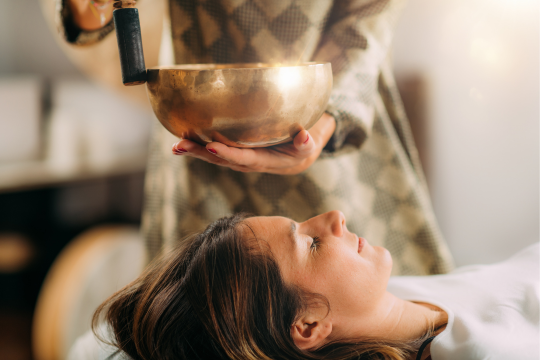
In the hustle and bustle of modern life, stress has become an unwelcome companion for many. The constant demands of work, relationships, and daily responsibilities can take a toll on our mental and physical well-being. In this fast-paced world, finding effective methods to alleviate stress and achieve inner harmony is essential. One such method that has gained recognition for its therapeutic effects is sound healing. 1. Understanding Sound Healing: Sound healing is a practice that uses vibrations and frequencies to promote relaxation and healing. It is rooted in ancient traditions and is based on the principle that everything, including our bodies, has a natural vibration. When exposed to specific sounds and frequencies, our bodies can resonate with these vibrations, leading to a sense of balance and tranquillity. 2. Stress Reduction through Sound: The soothing tones of various musical instruments, such as Tibetan singing bowls, crystal bowls, gongs, and tuning forks, are commonly used in sound healing sessions. These sounds have the power to calm the mind, slow down the heart rate, and relax tense muscles. By immersing oneself in these melodic frequencies, individuals can experience a profound sense of relaxation, allowing stress to melt away. 3. Inner Harmony and Sound Healing: Inner harmony is not just the absence of stress; it is a state of balance where the mind, body, and spirit are in sync. Sound healing facilitates the alignment of these elements, promoting a sense of inner peace and harmony. The vibrations from sound therapy sessions can help clear energy blockages, allowing the free flow of vital energy throughout the body. This balanced energy flow is essential for overall well-being and inner tranquility. Introducing Ishkama: In the quest for achieving inner harmony through sound healing, one remarkable practice stands out: Ishkama. Ishkama is a holistic approach to sound healing that combines ancient wisdom with modern techniques. Rooted in mindfulness and meditation, Ishkama harnesses the power of sound vibrations to create a transformative experience for individuals seeking stress reduction and inner peace. Embracing Ishkama for Lasting Wellness: Ishkama sessions are carefully curated to guide participants on a journey of self-discovery and healing. By immersing oneself in the harmonious sounds and vibrations, participants can release pent-up tension, alleviate anxiety, and attain a profound sense of calm. Through regular Ishkama practice, individuals can cultivate resilience, enhance emotional well-being, and nurture a positive outlook on life. The Ishkama Difference: What sets Ishkama apart is its focus on simplicity and authenticity. There are no elaborate rituals or complex techniques involved. Instead, Ishkama emphasizes the power of pure, unadulterated sound to create a deeply transformative experience. Participants are encouraged to embrace the natural rhythms of their body and mind, allowing the healing vibrations to work their magic. Sound healing, particularly through the Ishkama approach, offers a gentle yet potent way to reduce stress and attain inner harmony. In a world filled with noise and chaos, taking the time to connect with the therapeutic vibrations of sound can be a game-changer for your well-being. So, why not embark on this journey toward tranquility and balance? Embrace Ishkama, and let the healing power of sound pave the way to a calmer, more harmonious you.

Plant-Based Living: Health Benefits and Practical Tips

Hey there, fellow Earth-lover! If you’re reading this, you might be curious about the magical world of plant-based living. And let me tell you, it’s more than just a trend; it’s a lifestyle that’s changing lives and saving the planet, one veggie at a time. So, grab your favorite plant-based snack, sit back, and let’s talk about the incredible health benefits and some super practical tips to make this green journey as smooth as avocado! Health Benefits That Will Make You Glow: Heart Health: Plant-based diets are like superheroes for your heart. They are naturally low in cholesterol and high in fiber, which can lower your risk of heart disease. Say hello to a healthier, happier heart! Weight Management: Embracing a plant-based lifestyle can help you shed those extra pounds and maintain a healthy weight. Fruits, veggies, and whole grains are low in calories and high in nutrients, making them your best friends on the weight loss journey. Boosted Energy: Plants are packed with nutrients that provide your body with sustainable energy. Ditch the energy drinks; all you need is a colorful plate of veggies and fruits to keep you energized throughout the day. Glowing Skin: Want that natural, radiant glow? Plant-based foods are loaded with antioxidants and vitamins that do wonders for your skin. Forget expensive creams; your new skincare routine starts in the kitchen! Stronger Immune System: A diet rich in fruits and vegetables boosts your immune system, making you less prone to illnesses. Say goodbye to those annoying sniffles and hello to a stronger, healthier you. Practical Tips for Embracing Plant-Based Living: Start Gradually: Going plant-based doesn’t mean you have to quit meat cold turkey (pun intended!). Start by incorporating meatless meals a few times a week. You’ll be surprised at the variety and deliciousness of plant-based recipes! Explore New Flavors: One of the joys of plant-based living is discovering new flavors and cuisines. Experiment with different herbs, spices, and international dishes. Your taste buds will thank you for the adventure. Plan Your Meals: Planning your meals in advance can save you time, money, and headaches. Look for simple and easy-to-make plant-based recipes online and create a weekly meal plan. It’s a game-changer, trust me. Embrace Whole Foods: Whole grains, legumes, nuts, and seeds are your best pals in the plant-based world. They are versatile, nutritious, and incredibly satisfying. Get creative with quinoa, lentils, and chia seeds in your recipes. Stay Hydrated: Water is your best friend. It helps with digestion, keeps your skin glowing, and overall supports your health. So, don’t forget to drink plenty of water throughout the day. So, what are you waiting for? Embark on this exciting plant-based adventure, and let Ishkama be your compass. Your health, the planet, and your taste buds will thank you. Here’s to a vibrant, plant-powered life – because when you choose plants, you choose life!

The Art of Happiness: Strategies for a Fulfilling Life

At Ishkama, we firmly believe that yoga and wellness serve as the foundation for nurturing not just our bodies, but our spirits too. So, find your favorite spot, perhaps under the gentle shade of a tree, and let’s explore the fascinating science of happiness together. Understanding Happiness: Happiness, that elusive yet profoundly sought-after state, is akin to a mosaic made up of various intricate pieces of our lives. Scientifically speaking, our happiness is influenced by a complex interplay of genetic predisposition, environmental factors, and our own choices. While our genetic makeup does play a role, the way we perceive and react to the world around us can significantly impact our overall sense of well-being. Cultivating Gratitude: One of the simplest yet most powerful ways to invite happiness into our lives is through the practice of gratitude. Taking a few moments each day to reflect on the things we are thankful for can shift our focus from what’s lacking in our lives to what’s abundant. It could be the warmth of the sun on our skin, the laughter of a loved one, or the simple pleasure of a warm cup of tea. By acknowledging and appreciating these small moments, we train our minds to notice and celebrate the beauty in everyday life. Nurturing Connections: Another fundamental aspect of happiness lies in the quality of our relationships. Cultivating meaningful connections with others, be it friends, family, or members of our community, provides us with a sense of belonging and support. Engaging in acts of kindness, whether big or small, not only benefits others but also boosts our own happiness and well-being. A kind word, a helping hand, or a heartfelt smile can create ripples of positivity that extend far beyond the initial moment. Embracing Mindfulness: Mindfulness, the practice of being fully present in the moment, is a cornerstone of both yoga and happiness. By cultivating mindfulness, we learn to appreciate the beauty of the present moment without being burdened by regrets from the past or anxieties about the future. Through meditation, deep breathing, or simply observing our surroundings with full attention, we can enhance our awareness, reduce stress, and invite a profound sense of peace into our lives. In essence, the science of happiness is not a distant, unattainable goal. Instead, it’s a series of mindful choices and practices that we can incorporate into our daily lives. By nurturing gratitude, fostering connections, and embracing mindfulness, we pave the way for a life filled with contentment, joy, and fulfillment. So, let’s embark on this journey together, weaving happiness into the very fabric of our existence, one mindful moment at a time.

How to Find the Right Counsellor or Therapist for You – Ishkama

Finding the right therapist or counsellor in the UK can be a daunting task, but it’s also an important step toward better health and wellness. A good therapist can provide support, guidance, and tools to help you navigate life’s challenges and achieve your goals. However, with so many options to choose from, how do you know which therapist is right for you? In this blog, we’ll provide tips to help you find the right counsellor or therapist. Determine Your Needs The first step in finding the right therapist is determining what you need help with. Are you struggling with depression, anxiety, or a traumatic event? Do you need help with a relationship or career issue? Knowing what you need help with will help you find a therapist who specializes in that area. Research Different Therapies  Once you have an idea of what you need help with, it’s time to research different therapies. Some common types of therapy include cognitive-behavioural therapy (CBT), dialectical behaviour therapy (DBT), and psychodynamic therapy. Each type of therapy has its own approach, so it’s important to find one that aligns with your goals and values. Look for a Therapist in UK with the Right Qualifications When looking for a therapist in UK, it’s important to make sure they have the right qualifications. This includes a master’s or doctoral degree in psychology, social work, or a related field, as well as a license to practice therapy. Additionally, it’s a good idea to look for a therapist who has experience working with people who have similar issues to yours. Ask for Recommendations Ask friends, family members, or your doctor for recommendations. They may know someone who they trust and who has helped them in the past. Additionally, you can check websites like Psychology Today or GoodTherapy.org to find a therapist in your area. Schedule a Consultation Once you have a list of potential therapists, schedule a consultation with each one. This will give you a chance to meet with the therapist and ask any questions you have. You can also use this time to see if you feel comfortable with the therapist and if they seem like a good fit for you. Trust Your Instincts Ultimately, the decision to choose a therapist is a personal one, and it’s important to trust your instincts. If you don’t feel comfortable with a particular therapist, don’t feel pressured to continue seeing them. It’s important to find someone you feel safe and comfortable with so that you can get the most out of therapy. In conclusion, finding the right therapist can be a journey, but it’s worth it to find someone who can support you and help you achieve your goals. Remember to take your time, do your research, and trust your instincts. With the right therapist at Ishkama, you can make positive changes in your life and improve your overall health and wellness.