Ishkama Global Change (IGC) in The Indian Mela, Ipswich

Meditation and The Brain, Meditation has been scientifically proven to help you relax, reduce stress, and feel more focused.

 Admin
Admin
Meditation and The Brain, Meditation has been scientifically proven to help you relax, reduce stress, and feel more focused.

Do you ever feel like your life is a chaotic jumble of to-do lists, cluttered spaces, and a never-ending quest for more? It’s a common sentiment in our fast-paced world, where we’re constantly bombarded with messages telling us to buy, consume, and strive for more. But what if I told you there’s a way to find happiness by embracing less? That’s where minimalism comes in, and it’s a powerful philosophy that can transform your life. Today, I want to introduce you to the art of minimalism and how it can simplify your life, leading to greater happiness and well-being. And guess what? Ishkama is here to help you embark on this journey of self-discovery and simplicity. The Overwhelm of Modern Life Before we dive into the beauty of minimalism, let’s take a moment to acknowledge the overwhelming nature of modern life. We’re constantly chasing more possessions, success, recognition, and even more social media likes. We fill our homes with stuff we rarely use, clutter our schedules with endless commitments, and often find ourselves feeling burnt out and stressed. Sound familiar? The Essence of Minimalism Minimalism is about stepping back from this never-ending cycle of consumerism and focusing on what truly matters. It’s the art of simplifying your life by decluttering your physical and mental spaces, freeing yourself from the shackles of excess, and embracing a life centered on purpose and intention. Decluttering Your Physical Space One of the first steps in adopting minimalism is decluttering your physical space. Take a look around your home – do you really need all that stuff? Minimalism encourages you to pare down your possessions to the essentials, keeping only what brings you joy and serves a purpose. Trust me; it’s incredibly liberating to let go of the excess and create a space that truly reflects your values and priorities. Decluttering Your Schedule But minimalism isn’t just about decluttering your physical space; it’s also about simplifying your schedule. We often pack our days with endless tasks and commitments, leaving us with little time for the things that truly matter, like self-care and spending quality time with loved ones. Minimalism encourages you to evaluate your priorities and cut out the unnecessary, creating space for what truly brings you happiness. Embracing Mindfulness Minimalism is deeply rooted in mindfulness – the practice of being present in the moment and fully experiencing life as it unfolds. When you simplify your life, you can focus on what’s happening right now, rather than constantly worrying about the future or dwelling on the past. This mindfulness can lead to a profound sense of contentment and happiness. The Role of Ishkama So, how does Ishkama fit into this minimalist journey? Well, Ishkama is your partner in achieving holistic health and wellness through counseling. Our counselors can guide you through the process of simplifying your life, helping you identify your values, and setting meaningful goals. We offer a safe space for you to explore your thoughts and emotions, which is crucial in embracing minimalism and finding happiness. The Minimalist Mindset and Mental Health It’s important to note that minimalism isn’t just about decluttering physical spaces; it’s also about decluttering your mind. The minimalist mindset can have a profound impact on your mental health. By letting go of the unnecessary worries and anxieties that often plague us, you can experience a sense of calm and inner peace. Ishkama’s experienced counsellors can help you navigate this mental decluttering process. They can provide tools and techniques to manage stress, anxiety, and other mental health challenges that may arise as you simplify your life. The Journey to Happiness As you embrace minimalism and simplify your life with Ishkama’s support, you’ll likely notice a remarkable transformation. You’ll have more time for self-care, deeper connections with loved ones, and a heightened sense of purpose. You’ll find happiness not in the accumulation of things but in the richness of experiences and the depth of your relationships. In conclusion, minimalism is the art of simplifying your life for happiness. It’s about decluttering your physical and mental spaces, embracing mindfulness, and focusing on what truly matters. With the guidance and support of Ishkama, you can embark on this transformative journey toward a more straightforward, happier, and more fulfilling life. So, are you ready to start your minimalist journey with us? Let’s simplify, declutter, and find happiness together

The mental and emotional well-being of students has become a pressing concern in our fast-paced world. As educators and parents look for solutions, one ancient practice has been gaining modern recognition: meditation. But should meditation be taught in schools? Ishkama believes the answer is a resounding yes. Here’s why introducing meditation in schools could be a game-changer for students. Enhancing Focus and Academic Performance One of the most significant benefits of meditation is its ability to enhance focus and concentration. In a classroom setting, where distractions are plentiful and attention spans are often short, meditation can provide students with the tools they need to improve their focus. A study published in the journal Psychological Science found that mindfulness training, which includes meditation, improved students’ working memory and reading comprehension scores. Another study by the University of California, Santa Barbara, demonstrated that mindfulness practice led to significant improvements in GRE reading comprehension scores and working memory capacity. Reducing Stress and Anxiety The pressures of academic achievement, social interactions, and personal expectations can create a stressful environment for students. Meditation offers a simple yet powerful way to manage and reduce stress. Research published in JAMA Internal Medicine indicates that mindfulness meditation programs can help reduce symptoms of anxiety, depression, and pain. By teaching students to meditate, we can help them manage their stress responses more effectively, leading to a calmer and more balanced approach to their daily challenges. Fostering Emotional Well-being Emotional well-being is critical for a child’s overall development. Meditation encourages self-awareness and emotional regulation, helping students to understand and manage their emotions better. A study in Mindfulness Journal highlighted that mindfulness-based programs in schools improved emotional regulation, reduced aggression, and increased empathy among students. By incorporating meditation into the school curriculum, students can develop a greater sense of empathy, patience, and resilience. This emotional intelligence is not only beneficial for their personal growth but also fosters a more harmonious and supportive school environment. Improving Physical Health Meditation isn’t just about mental and emotional health; it also has tangible benefits for physical well-being. Regular practice can lead to better sleep patterns, lower blood pressure, and improved immune function. The American Heart Association suggests that meditation can reduce the risk of cardiovascular disease by lowering blood pressure and stress levels. These health benefits contribute to a student’s ability to stay healthy, active, and ready to learn. When students feel physically well, they are more likely to participate actively in school activities and perform better academically. Promoting Mindfulness and Presence In today’s digital age, students are often overwhelmed by constant connectivity and information overload. Meditation teaches mindfulness, the practice of being fully present in the moment. Mindfulness can help students detach from the distractions of technology and develop a deeper connection with their surroundings and themselves. Research from Harvard University found that mindfulness practice increased the brain’s gray matter density, particularly in areas associated with learning, memory, and emotional regulation. This presence of mind enhances not only academic performance but also the quality of interactions with peers and teachers. Encouraging Lifelong Healthy Habits Introducing meditation at a young age can set the foundation for lifelong healthy habits. When students learn meditation techniques early, they carry these practices into adulthood, reaping long-term benefits for their mental, emotional, and physical health. By integrating meditation into the school curriculum, we equip students with valuable tools that will serve them well throughout their lives. Long-term studies, such as those published in the American Journal of Health Promotion, have shown that adults who practiced mindfulness and meditation from a young age maintain lower levels of stress and better overall health. Building a Supportive Community Meditation can also help build a sense of community within schools. Group meditation sessions create a shared experience that fosters a sense of unity and collective well-being among students. This can lead to a more supportive and inclusive school culture, where students feel connected and valued. Research from the University of Wisconsin-Madison showed that group mindfulness activities could reduce instances of bullying and improve overall school climate. Implementing Meditation in Schools To successfully integrate meditation into schools, it’s essential to provide proper training for teachers and create a supportive environment for practice. Schools can start with short, guided meditation sessions and gradually increase the duration as students become more comfortable with the practice. Programs like MindUP and the Mindfulness in Schools Project have developed curricula specifically designed for educational settings, providing resources and training for teachers to effectively deliver meditation practices. Conclusion At Ishkama, we are passionate about the transformative power of meditation. Teaching meditation in schools has the potential to enhance focus, reduce stress, foster emotional well-being, improve physical health, and promote mindfulness among students. By integrating this ancient practice into the modern educational system, we can create a more balanced, healthy, and harmonious learning environment. With the growing body of research supporting its benefits, meditation stands out as a valuable addition to the school curriculum, preparing students not only for academic success but for a healthier and more fulfilling life.

Have you ever found yourself going out of your way to please others, even at the expense of your own well-being? Perhaps you constantly say “yes” to requests and invitations, even when you’re already overloaded with commitments. Or maybe you find yourself constantly seeking approval from others and shaping your behavior to fit their expectations. People-pleasing is a common behavior, but it can also be a harmful one that can take a toll on your mental and emotional health. So, if you’re ready to break free from the cycle of constantly putting others’ needs before your own, let’s dive in! People pleasing can be a tricky habit to break. It often starts innocently enough, with a desire to make others happy or avoid conflict. However, over time, it can become all-consuming and can lead to feelings of burnout, resentment, and even anxiety. If you’re someone who struggles with people pleasing, it’s important to know that you’re not alone. Many people struggle with this issue, and the good news is that there are steps you can take to break the cycle. The first step in coping with people pleasing is to recognize that it’s a problem. This can be difficult, as people-pleasing can often feel like a positive trait. However, it’s important to acknowledge that constantly putting others’ needs before your own can be detrimental to your mental health and well-being. Once you’ve recognized the issue, it’s time to start setting boundaries. This can be challenging, as it may feel uncomfortable or even selfish at first. However, setting boundaries is a crucial step in taking control of your life and your relationships. Start small by saying no to things that don’t align with your values or priorities. It’s okay to prioritize your own needs and desires, even if it means saying no to others. Remember that saying no doesn’t make you a bad person – it simply means that you’re taking care of yourself. Another helpful tactic is to practice self-care. When you’re constantly putting others first, it’s easy to neglect your own needs. Take time to engage in activities that bring you joy and relaxation, such as reading, going for a walk, or taking a yoga class. Remember that self-care isn’t selfish – it’s essential for your overall well-being. Finally, consider seeking support from a therapist or counselor. Breaking the cycle of people-pleasing can be challenging, and it can be helpful to have someone to talk to about your struggles and goals. We’ve all been there – wanting to please everyone around us and fearing the consequences of not meeting their expectations. People-pleasing can be exhausting and even detrimental to our health and well-being. But the good news is that it’s a habit that can be broken, and with some effort, we can learn to prioritize our own needs while still maintaining healthy relationships with those around us. By breaking the cycle of people-pleasing with the help of Ishkama, we can create healthier and more authentic relationships with those around us. Remember that your needs matter and that taking care of yourself is not selfish – it’s necessary for your own well-being. So, take a deep breath, set those boundaries, prioritize self-care, and start living life on your own terms.

Massage therapy is a widely recognized method for relaxation, pain relief, and overall wellness. At Ishkama, we often hear the question: “How long do the effects of a massage last?” The answer varies depending on several factors, but here’s a comprehensive look at what you can expect from your massage experience. Immediate Benefits The moment you get off the massage table, you’ll likely feel an immediate sense of relaxation and relief. This is due to the physical manipulation of muscles and tissues, which helps to release tension and increase blood flow. The immediate effects of a massage can include: These immediate benefits can last from a few hours to a couple of days, providing a noticeable improvement in how you feel. Short-Term Effects In the days following a massage, many people continue to experience positive effects. The duration of these effects can vary based on the type of massage, the individual’s condition, and their lifestyle. Short-term benefits typically include: Long-Term Benefits For those who receive regular massages, the cumulative benefits can be substantial. Regular massage therapy can contribute to long-term improvements in overall health and well-being. These benefits include: Factors Affecting the Duration of Massage Benefits Several factors influence how long the effects of a massage last, including: Making the Most of Your Massage To maximize the benefits of your massage, consider these tips: Conclusion At Ishkama, we believe in the transformative power of massage therapy as part of a holistic approach to health and wellness. While the immediate effects of a massage can be felt for a few hours to a couple of days, the cumulative benefits of regular massage therapy can significantly enhance your physical and mental well-being. By understanding the duration and factors that influence the effects of a massage, you can better incorporate this practice into your routine for sustained health and happiness.

Climate change is a pressing issue that affects every corner of the globe. From rising temperatures to extreme weather events, the impacts of climate change are undeniable. At Ishkama, we believe in a holistic approach to coping with climate change, integrating yoga, meditation, and wellness practices to foster resilience and positive change. Here’s how you can adopt these practices to cope with and combat climate change. Understanding Climate Change Climate change refers to significant changes in global temperatures and weather patterns over time. While climate change is a natural phenomenon, recent trends are largely driven by human activities, such as deforestation, industrial emissions, and excessive use of fossil fuels. These changes not only threaten natural ecosystems but also human health and well-being. The Role of Yoga in Coping with Climate Change Yoga is a powerful tool for enhancing physical, mental, and emotional health, making it an essential practice for building resilience against the stressors brought about by climate change. Regular yoga practice can help: Reduce Stress: The physical postures and breathwork in yoga help calm the nervous system, reducing stress levels and improving mental clarity. This is particularly beneficial in coping with the anxiety and uncertainty associated with climate change. Enhance Physical Health: Yoga improves overall physical health, which is crucial in adapting to the physical challenges posed by climate change, such as heat waves and pollution. Promote Mindfulness: Yoga encourages mindfulness, which can lead to more conscious decisions about lifestyle choices that impact the environment, such as reducing waste and conserving resources. Meditation for Mental Resilience Meditation is another key practice that can help individuals cope with the mental and emotional challenges of climate change. By incorporating meditation into daily life, you can: Cultivate Inner Peace: Regular meditation practice fosters a sense of inner peace and stability, helping you stay calm and focused in the face of climate-related stress. Enhance Emotional Intelligence: Meditation improves emotional regulation and empathy, enabling better relationships and community support systems, which are vital during climate crises. Strengthen Mental Resilience: Meditation builds mental resilience, allowing you to better handle the psychological impacts of climate change, such as eco-anxiety and grief over environmental loss. Wellness Practices for Sustainable Living In addition to yoga and meditation, adopting wellness practices that promote sustainable living can significantly contribute to combating climate change. Here are some practical steps: Eco-Friendly Diet: Embrace a plant-based diet or reduce meat consumption to lower your carbon footprint. Opt for locally sourced and organic foods to support sustainable agriculture. Mindful Consumption: Practice mindful consumption by reducing, reusing, and recycling. Avoid single-use plastics and choose products with minimal environmental impact. Green Spaces: Spend time in nature to reconnect with the environment. This not only boosts your well-being but also fosters a deeper appreciation for the natural world, motivating you to protect it. Community Engagement: Get involved in community initiatives aimed at combating climate change. Collective action amplifies individual efforts and fosters a sense of shared responsibility. Conclusion Coping with climate change requires a multifaceted approach that addresses both personal well-being and environmental sustainability. By integrating yoga, meditation, and wellness practices into your daily life, you can build resilience, reduce your environmental impact, and contribute to a healthier planet. At Ishkama, we are committed to guiding you on this journey towards holistic well-being and environmental stewardship. Together, we can make a positive difference in the face of climate change.
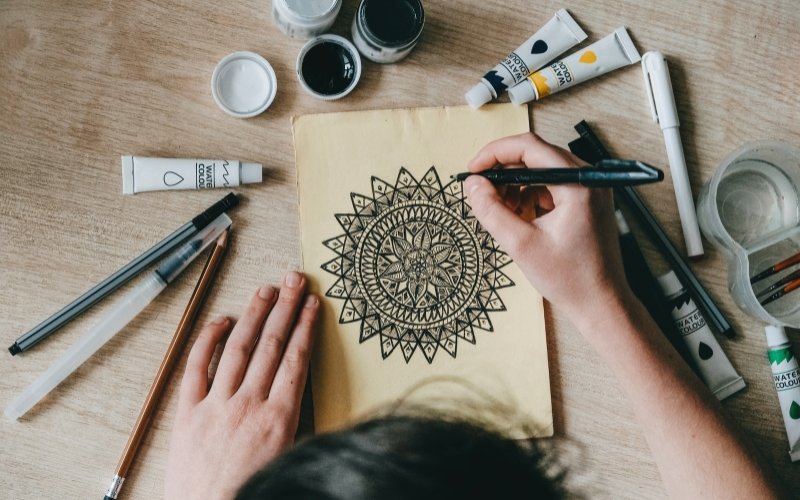
Imagine a world where colors dance, shapes speak, and emotions find their canvas. This is the realm of art therapy, a remarkable avenue where creativity meets healing. At Ishkama, we believe in harnessing the profound potential of art therapy as a means to promote holistic well-being. Art therapy isn’t just about painting pretty pictures; it’s a deeply therapeutic process that taps into the expressive power of artistic creation to foster emotional growth and healing. It offers a unique avenue for individuals to explore their inner landscapes, confront challenges, and embark on journeys of self-discovery. One of the most beautiful aspects of art therapy is its inclusivity. You don’t need to be a skilled artist to benefit from it. Whether you’re wielding a brush for the first time or you’ve been creating masterpieces for years, art therapy meets you where you are. It’s not about the result; it’s about the process, the journey of creation, and the insights it brings forth. Through art therapy, individuals can externalize their internal struggles, feelings, and experiences in a safe and non-verbal manner. This can be particularly beneficial for those who struggle to articulate their emotions verbally. Art becomes their language, their voice—a tool for communication and self-expression. Moreover, engaging in art-making activates different parts of the brain associated with creativity and emotional processing. This can lead to a cathartic release of pent-up emotions, stress reduction, and an overall sense of relaxation and well-being. It’s like giving your mind a soothing massage, allowing it to unwind and recalibrate. Art therapy also fosters mindfulness, encouraging individuals to be fully present in the moment as they immerse themselves in the creative process. Whether it’s the gentle strokes of a paintbrush or the rhythmic movements of sculpting clay, each action becomes an opportunity to cultivate mindfulness and deepen self-awareness. Furthermore, art therapy offers a tangible means to explore and reframe negative thought patterns and beliefs. Individuals who create art may uncover subconscious symbols and metaphors that shed light on their innermost thoughts and feelings. Through guided reflection and interpretation, these insights can be integrated and transformed, paving the way for personal growth and healing. For many, art therapy serves as a powerful tool for trauma recovery. Traumatic experiences can leave deep emotional scars that are often difficult to verbalize. Art therapy provides a safe space for individuals to process and make sense of their trauma, empowering them to reclaim their narratives and embark on a journey of healing and resilience. Additionally, art therapy can be particularly effective in supporting individuals with mental health conditions such as anxiety, depression, and PTSD. It offers an alternative mode of therapy that complements traditional talk therapy approaches, providing a creative outlet for emotional expression and self-exploration. At Ishkama, we recognize the transformative potential of art therapy in promoting holistic well-being. Through our tailored art therapy programs, we aim to empower individuals to tap into their innate creativity, cultivate self-awareness, and embark on journeys of healing and self-discovery. In conclusion, art therapy is not just about making art; it’s about unlocking the healing power of creativity. It invites individuals to embark on self-exploration, expression, and transformation. So, why not pick up a paintbrush, let your imagination run wild, and discover the profound therapeutic benefits of art therapy for yourself?

At Ishkama, we firmly believe that yoga and wellness serve as the foundation for nurturing not just our bodies, but our spirits too. So, find your favorite spot, perhaps under the gentle shade of a tree, and let’s explore the fascinating science of happiness together. Understanding Happiness: Happiness, that elusive yet profoundly sought-after state, is akin to a mosaic made up of various intricate pieces of our lives. Scientifically speaking, our happiness is influenced by a complex interplay of genetic predisposition, environmental factors, and our own choices. While our genetic makeup does play a role, the way we perceive and react to the world around us can significantly impact our overall sense of well-being. Cultivating Gratitude: One of the simplest yet most powerful ways to invite happiness into our lives is through the practice of gratitude. Taking a few moments each day to reflect on the things we are thankful for can shift our focus from what’s lacking in our lives to what’s abundant. It could be the warmth of the sun on our skin, the laughter of a loved one, or the simple pleasure of a warm cup of tea. By acknowledging and appreciating these small moments, we train our minds to notice and celebrate the beauty in everyday life. Nurturing Connections: Another fundamental aspect of happiness lies in the quality of our relationships. Cultivating meaningful connections with others, be it friends, family, or members of our community, provides us with a sense of belonging and support. Engaging in acts of kindness, whether big or small, not only benefits others but also boosts our own happiness and well-being. A kind word, a helping hand, or a heartfelt smile can create ripples of positivity that extend far beyond the initial moment. Embracing Mindfulness: Mindfulness, the practice of being fully present in the moment, is a cornerstone of both yoga and happiness. By cultivating mindfulness, we learn to appreciate the beauty of the present moment without being burdened by regrets from the past or anxieties about the future. Through meditation, deep breathing, or simply observing our surroundings with full attention, we can enhance our awareness, reduce stress, and invite a profound sense of peace into our lives. In essence, the science of happiness is not a distant, unattainable goal. Instead, it’s a series of mindful choices and practices that we can incorporate into our daily lives. By nurturing gratitude, fostering connections, and embracing mindfulness, we pave the way for a life filled with contentment, joy, and fulfillment. So, let’s embark on this journey together, weaving happiness into the very fabric of our existence, one mindful moment at a time.
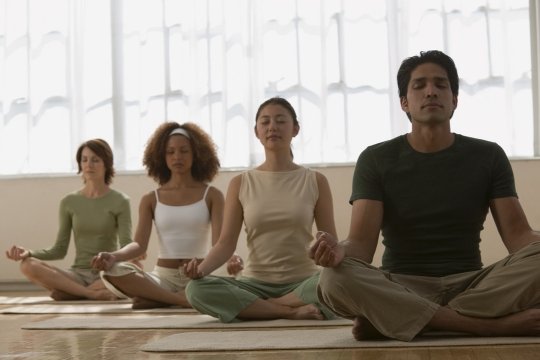
As we drift into the realm of slumber, our dreams take center stage, offering a unique insight into our subconscious minds. But what happens when those dreams turn into unsettling nightmares, disrupting our much-needed rest? Enter meditation, a powerful tool that goes beyond its calming effects on waking hours. In this captivating blog post, we delve into the intriguing realm where meditation and bad dreams intersect. Join us on a journey to discover how this ancient practice can become your sanctuary, helping you navigate the mysterious landscapes of your dreamscape with tranquility and peace. The Nature of Bad Dreams We’ve all experienced the jolt of waking up from a nightmare, heart pounding and sweat-soaked, as the remnants of the dream cling to our consciousness. Bad dreams can leave us feeling unsettled, anxious, and even afraid to fall asleep again. But what causes these nocturnal disturbances? Experts suggest that stress, anxiety, trauma, and even certain medications can contribute to the occurrence of bad dreams. While these dreams may be a natural part of the sleep cycle, the impact they have on our overall well-being cannot be overlooked. Understanding Meditation Meditation, a practice that originated thousands of years ago has gained popularity as a means to achieve mental clarity, relaxation, and overall well-being. It involves training the mind to focus and redirect thoughts, ultimately leading to a state of heightened awareness and inner peace. By engaging in regular meditation, individuals cultivate a sense of mindfulness, allowing them to observe their thoughts without judgment and create space for emotional and mental balance. But can this ancient practice extend its soothing influence into the realm of our dreams? The Connection Between Meditation and Dreams While scientific research on the precise relationship between meditation and dreams is still limited, anecdotal evidence suggests a compelling link. Through regular meditation, individuals often report improved sleep quality and a reduction in nightmares. By practicing mindfulness and cultivating a relaxed state of mind, meditation helps to calm the nervous system, release accumulated stress, and promote a sense of inner tranquility. This state of peace can extend into our dream state, making it easier to navigate and transform negative dream experiences. How Meditation Helps with Bad Dreams: Stress Reduction: Meditation acts as a natural stress reliever, helping to alleviate the emotional and psychological burdens that contribute to bad dreams. By incorporating meditation into your daily routine, you create a foundation of calmness and resilience, making it easier to process and release stressful thoughts and experiences. Emotional Regulation: Meditation enhances emotional intelligence and self-awareness, enabling individuals to navigate the realm of dreams with greater ease. By cultivating emotional balance during meditation, you develop the ability to respond rather than react to challenging dream scenarios, promoting a sense of control and empowerment. Visualization and Intention Setting: Within the realm of meditation, visualization techniques can be employed to shape positive dream experiences. By visualizing peaceful scenarios or setting intentions for restful sleep, you create a blueprint for your subconscious mind, influencing the content and quality of your dreams. Improved Sleep Quality: The relaxation and calming effects of meditation have a direct impact on the quality of your sleep. By practicing meditation before bed, you signal to your body and mind that it’s time to unwind, setting the stage for a more restful and rejuvenating slumber. Incorporating meditation into your daily routine holds tremendous potential for transforming your relationship with bad dreams. By nurturing a state of calmness, emotional resilience, and self-awareness, meditation becomes a valuable ally in banishing unsettling dreams, paving the way for a peaceful night’s sleep and a harmonious inner world. Sweet dreams await those who embark on this journey of meditation and self-discovery with Ishkama.

In the hustle and bustle of modern life, stress seems to be an unavoidable companion. Whether it’s work deadlines, family obligations, or the constant buzz of technology, it’s easy to feel overwhelmed. But what if I told you that the solution to your stress might be as simple as stepping outside and immersing yourself in nature? Welcome to the world of ecotherapy, where the healing power of nature meets the art of stress reduction. At Ishkama, our mission is to promote holistic well-being through yoga, health, and wellness practices. And one of the cornerstones of our approach is ecotherapy. So, what exactly is ecotherapy? In essence, it’s the practice of engaging with nature to improve mental and emotional health. Whether it’s a stroll through the woods, a refreshing dip in the ocean, or simply sitting under a tree and listening to the birds chirp, ecotherapy encompasses a wide range of activities that connect us with the natural world. But how does nature help reduce stress? Well, the answer lies in the profound impact that the outdoors has on our physiological and psychological well-being. Research has shown that spending time in nature can lower cortisol levels, reduce blood pressure, and improve overall mood. Simply put, nature has a calming effect on our nervous system, helping us to unwind and de-stress after a long day. One of the key principles of ecotherapy is mindfulness – the practice of being fully present in the moment. When we’re surrounded by the beauty of nature, it’s easier to let go of our worries and distractions and focus on the here and now. Whether we’re admiring a breathtaking sunset, feeling the soft grass beneath our feet, or listening to the gentle rustle of leaves in the wind, nature has a way of grounding us in the present moment and reminding us of the beauty surrounding us. But ecotherapy is more than just a temporary escape from the stresses of daily life – it’s a sustainable solution for long-term well-being. By incorporating regular outdoor activities into our routine, we can build resilience to stress and cultivate a deeper connection with the natural world. Whether it’s going for a hike, practicing yoga in the park, or gardening in our backyard, there are countless ways to reap the benefits of ecotherapy in our everyday lives. At Ishkama, we’re passionate about promoting ecotherapy as a tool for stress reduction and overall well-being. That’s why we offer a variety of outdoor classes and workshops designed to help our clients connect with nature and nurture their mind, body, and soul. From guided nature walks to outdoor meditation sessions, our programs are designed to help you unplug from the chaos of modern life and reconnect with the healing power of the natural world. But you don’t have to wait for a class or workshop to experience the benefits of ecotherapy – you can start incorporating it into your daily life right now. Take a break from your screen and step outside for a few minutes of fresh air and sunshine. Go for a walk in the park, sit by a lake, or simply find a quiet spot in your backyard to relax and unwind. The important thing is to make time for nature in your busy schedule and prioritize your well-being. In conclusion, the impact of nature on stress reduction cannot be overstated. From lowering cortisol levels to improving mood and promoting mindfulness, spending time in nature has numerous benefits for our mental and emotional health. So why not make ecotherapy a part of your self-care routine? Whether you’re practicing yoga in the park, going for a hike, or simply enjoying a leisurely stroll through nature, you’ll be amazed at how much better you feel after spending time outdoors. So go ahead – take a deep breath, step outside, and let nature work its magic on your stress levels. Your mind, body, and soul will thank you for it. Remember, at Ishkama, we’re here to support you on your journey to greater well-being. So why not join us and experience the transformative power of ecotherapy for yourself? Your stress-free life awaits – all you have to do is take the first step.