
Ishkama Ltd

Strategies for Improving Emotional Intelligence – Ishkama

Greetings, fellow seekers of wellness and personal growth! Today, we delve into a fascinating and crucial aspect of our inner landscape: emotional intelligence. As we navigate the ups and downs of life, our ability to understand, regulate, and express our emotions can make all the difference in our relationships, our careers, and our overall well-being. In this blog post, we’ll explore some powerful strategies for enhancing our emotional intelligence and unleashing our full potential. So, take a deep breath, open your mind, and let’s embark on this transformative journey together! Practice Mindfulness: Mindfulness is the practice of being present and fully engaged at the moment. By practicing mindfulness, we can become more aware of our emotions and how they impact our thoughts, behavior, and relationships. Regular meditation and mindfulness exercises can help us develop emotional intelligence by increasing our ability to observe our emotions, thoughts, and bodily sensations. Cultivate Empathy: Empathy is the ability to understand and share the feelings of others. By cultivating empathy, we can better understand the needs and concerns of others, which can help us build stronger relationships. One way to cultivate empathy is by actively listening to others and attempting to understand their perspective without judgement. Learn to Label Your Emotions: Sometimes, we may not be able to identify what we’re feeling. Learning to label our emotions can help us recognize and manage them more effectively. For example, if you’re feeling anxious, simply labeling that emotion can help you recognize it, and take steps to manage it. Develop Self-Awareness: Self-awareness is the ability to recognize our own emotions, and how they impact our behavior and interactions with others. By developing self-awareness, we can better understand our own strengths and weaknesses, and work on areas that need improvement. Practice Emotional Regulation: Emotional regulation is the ability to manage and control our emotions effectively. By practicing emotional regulation, we can avoid impulsive behavior and communicate more effectively. One effective technique is to take a few deep breaths when feeling overwhelmed, as it can help us calm down and manage our emotions. Seek Feedback: Feedback from others can be a valuable tool for improving emotional intelligence. Seeking feedback from friends, family or colleagues can help us understand how our behavior and communication style impacts others, and provide us with valuable insights into areas for improvement. As we wrap up our discussion on strategies for improving emotional intelligence, it’s clear that our journey to greater self-awareness and empathy is an ongoing process. By taking small steps each day, such as practicing mindfulness and active listening, we can gradually develop the skills we need to become more emotionally intelligent individuals. But let’s not forget that emotional intelligence is not just about ourselves; it’s also about how we relate to others. By cultivating positive relationships and seeking to understand the perspectives of those around us, we can create a more empathetic and compassionate society. At Ishkama, we believe that emotional intelligence is an essential aspect of overall well-being. That’s why we offer a variety of resources and tools to help you on your journey toward greater emotional intelligence. From guided meditations to self-reflection exercises, we’re here to support you every step of the way. So, let’s commit to improving our emotional intelligence, not just for ourselves, but for the betterment of those around us. Together, we can create a more emotionally intelligent and empathetic world.
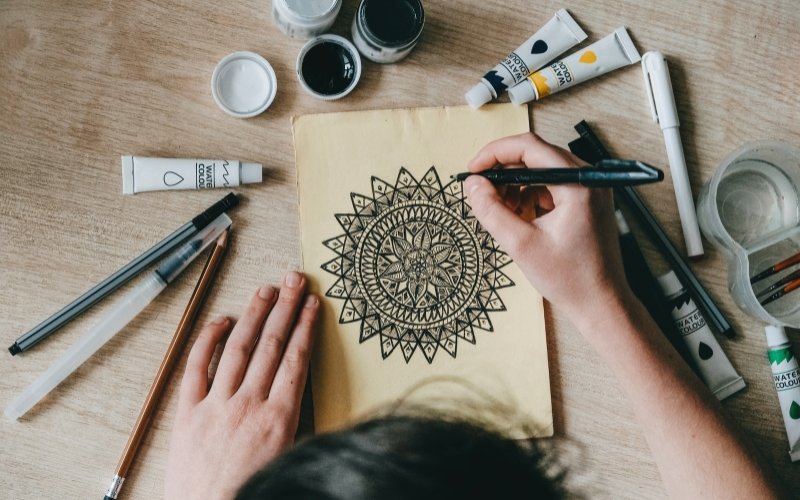
Healing Power of Art Therapy

Imagine a world where colors dance, shapes speak, and emotions find their canvas. This is the realm of art therapy, a remarkable avenue where creativity meets healing. At Ishkama, we believe in harnessing the profound potential of art therapy as a means to promote holistic well-being. Art therapy isn’t just about painting pretty pictures; it’s a deeply therapeutic process that taps into the expressive power of artistic creation to foster emotional growth and healing. It offers a unique avenue for individuals to explore their inner landscapes, confront challenges, and embark on journeys of self-discovery. One of the most beautiful aspects of art therapy is its inclusivity. You don’t need to be a skilled artist to benefit from it. Whether you’re wielding a brush for the first time or you’ve been creating masterpieces for years, art therapy meets you where you are. It’s not about the result; it’s about the process, the journey of creation, and the insights it brings forth. Through art therapy, individuals can externalize their internal struggles, feelings, and experiences in a safe and non-verbal manner. This can be particularly beneficial for those who struggle to articulate their emotions verbally. Art becomes their language, their voice—a tool for communication and self-expression. Moreover, engaging in art-making activates different parts of the brain associated with creativity and emotional processing. This can lead to a cathartic release of pent-up emotions, stress reduction, and an overall sense of relaxation and well-being. It’s like giving your mind a soothing massage, allowing it to unwind and recalibrate. Art therapy also fosters mindfulness, encouraging individuals to be fully present in the moment as they immerse themselves in the creative process. Whether it’s the gentle strokes of a paintbrush or the rhythmic movements of sculpting clay, each action becomes an opportunity to cultivate mindfulness and deepen self-awareness. Furthermore, art therapy offers a tangible means to explore and reframe negative thought patterns and beliefs. Individuals who create art may uncover subconscious symbols and metaphors that shed light on their innermost thoughts and feelings. Through guided reflection and interpretation, these insights can be integrated and transformed, paving the way for personal growth and healing. For many, art therapy serves as a powerful tool for trauma recovery. Traumatic experiences can leave deep emotional scars that are often difficult to verbalize. Art therapy provides a safe space for individuals to process and make sense of their trauma, empowering them to reclaim their narratives and embark on a journey of healing and resilience. Additionally, art therapy can be particularly effective in supporting individuals with mental health conditions such as anxiety, depression, and PTSD. It offers an alternative mode of therapy that complements traditional talk therapy approaches, providing a creative outlet for emotional expression and self-exploration. At Ishkama, we recognize the transformative potential of art therapy in promoting holistic well-being. Through our tailored art therapy programs, we aim to empower individuals to tap into their innate creativity, cultivate self-awareness, and embark on journeys of healing and self-discovery. In conclusion, art therapy is not just about making art; it’s about unlocking the healing power of creativity. It invites individuals to embark on self-exploration, expression, and transformation. So, why not pick up a paintbrush, let your imagination run wild, and discover the profound therapeutic benefits of art therapy for yourself?

The Art of Happiness: Strategies for a Fulfilling Life

At Ishkama, we firmly believe that yoga and wellness serve as the foundation for nurturing not just our bodies, but our spirits too. So, find your favorite spot, perhaps under the gentle shade of a tree, and let’s explore the fascinating science of happiness together. Understanding Happiness: Happiness, that elusive yet profoundly sought-after state, is akin to a mosaic made up of various intricate pieces of our lives. Scientifically speaking, our happiness is influenced by a complex interplay of genetic predisposition, environmental factors, and our own choices. While our genetic makeup does play a role, the way we perceive and react to the world around us can significantly impact our overall sense of well-being. Cultivating Gratitude: One of the simplest yet most powerful ways to invite happiness into our lives is through the practice of gratitude. Taking a few moments each day to reflect on the things we are thankful for can shift our focus from what’s lacking in our lives to what’s abundant. It could be the warmth of the sun on our skin, the laughter of a loved one, or the simple pleasure of a warm cup of tea. By acknowledging and appreciating these small moments, we train our minds to notice and celebrate the beauty in everyday life. Nurturing Connections: Another fundamental aspect of happiness lies in the quality of our relationships. Cultivating meaningful connections with others, be it friends, family, or members of our community, provides us with a sense of belonging and support. Engaging in acts of kindness, whether big or small, not only benefits others but also boosts our own happiness and well-being. A kind word, a helping hand, or a heartfelt smile can create ripples of positivity that extend far beyond the initial moment. Embracing Mindfulness: Mindfulness, the practice of being fully present in the moment, is a cornerstone of both yoga and happiness. By cultivating mindfulness, we learn to appreciate the beauty of the present moment without being burdened by regrets from the past or anxieties about the future. Through meditation, deep breathing, or simply observing our surroundings with full attention, we can enhance our awareness, reduce stress, and invite a profound sense of peace into our lives. In essence, the science of happiness is not a distant, unattainable goal. Instead, it’s a series of mindful choices and practices that we can incorporate into our daily lives. By nurturing gratitude, fostering connections, and embracing mindfulness, we pave the way for a life filled with contentment, joy, and fulfillment. So, let’s embark on this journey together, weaving happiness into the very fabric of our existence, one mindful moment at a time.

Power of Meditation to Soothe Bad Dreams – Ishkama

As we drift into the realm of slumber, our dreams take center stage, offering a unique insight into our subconscious minds. But what happens when those dreams turn into unsettling nightmares, disrupting our much-needed rest? Enter meditation, a powerful tool that goes beyond its calming effects on waking hours. In this captivating blog post, we delve into the intriguing realm where meditation and bad dreams intersect. Join us on a journey to discover how this ancient practice can become your sanctuary, helping you navigate the mysterious landscapes of your dreamscape with tranquility and peace. The Nature of Bad Dreams We’ve all experienced the jolt of waking up from a nightmare, heart pounding and sweat-soaked, as the remnants of the dream cling to our consciousness. Bad dreams can leave us feeling unsettled, anxious, and even afraid to fall asleep again. But what causes these nocturnal disturbances? Experts suggest that stress, anxiety, trauma, and even certain medications can contribute to the occurrence of bad dreams. While these dreams may be a natural part of the sleep cycle, the impact they have on our overall well-being cannot be overlooked. Understanding Meditation  Meditation, a practice that originated thousands of years ago has gained popularity as a means to achieve mental clarity, relaxation, and overall well-being. It involves training the mind to focus and redirect thoughts, ultimately leading to a state of heightened awareness and inner peace. By engaging in regular meditation, individuals cultivate a sense of mindfulness, allowing them to observe their thoughts without judgment and create space for emotional and mental balance. But can this ancient practice extend its soothing influence into the realm of our dreams? The Connection Between Meditation and Dreams  While scientific research on the precise relationship between meditation and dreams is still limited, anecdotal evidence suggests a compelling link. Through regular meditation, individuals often report improved sleep quality and a reduction in nightmares. By practicing mindfulness and cultivating a relaxed state of mind, meditation helps to calm the nervous system, release accumulated stress, and promote a sense of inner tranquility. This state of peace can extend into our dream state, making it easier to navigate and transform negative dream experiences. How Meditation Helps with Bad Dreams: Stress Reduction: Meditation acts as a natural stress reliever, helping to alleviate the emotional and psychological burdens that contribute to bad dreams. By incorporating meditation into your daily routine, you create a foundation of calmness and resilience, making it easier to process and release stressful thoughts and experiences. Emotional Regulation: Meditation enhances emotional intelligence and self-awareness, enabling individuals to navigate the realm of dreams with greater ease. By cultivating emotional balance during meditation, you develop the ability to respond rather than react to challenging dream scenarios, promoting a sense of control and empowerment. Visualization and Intention Setting: Within the realm of meditation, visualization techniques can be employed to shape positive dream experiences. By visualizing peaceful scenarios or setting intentions for restful sleep, you create a blueprint for your subconscious mind, influencing the content and quality of your dreams. Improved Sleep Quality: The relaxation and calming effects of meditation have a direct impact on the quality of your sleep. By practicing meditation before bed, you signal to your body and mind that it’s time to unwind, setting the stage for a more restful and rejuvenating slumber. Incorporating meditation into your daily routine holds tremendous potential for transforming your relationship with bad dreams. By nurturing a state of calmness, emotional resilience, and self-awareness, meditation becomes a valuable ally in banishing unsettling dreams, paving the way for a peaceful night’s sleep and a harmonious inner world. Sweet dreams await those who embark on this journey of meditation and self-discovery with Ishkama.

How Nature Can Be Your Best Stress-Buster

In the hustle and bustle of modern life, stress seems to be an unavoidable companion. Whether it’s work deadlines, family obligations, or the constant buzz of technology, it’s easy to feel overwhelmed. But what if I told you that the solution to your stress might be as simple as stepping outside and immersing yourself in nature? Welcome to the world of ecotherapy, where the healing power of nature meets the art of stress reduction. At Ishkama, our mission is to promote holistic well-being through yoga, health, and wellness practices. And one of the cornerstones of our approach is ecotherapy. So, what exactly is ecotherapy? In essence, it’s the practice of engaging with nature to improve mental and emotional health. Whether it’s a stroll through the woods, a refreshing dip in the ocean, or simply sitting under a tree and listening to the birds chirp, ecotherapy encompasses a wide range of activities that connect us with the natural world. But how does nature help reduce stress? Well, the answer lies in the profound impact that the outdoors has on our physiological and psychological well-being. Research has shown that spending time in nature can lower cortisol levels, reduce blood pressure, and improve overall mood. Simply put, nature has a calming effect on our nervous system, helping us to unwind and de-stress after a long day. One of the key principles of ecotherapy is mindfulness – the practice of being fully present in the moment. When we’re surrounded by the beauty of nature, it’s easier to let go of our worries and distractions and focus on the here and now. Whether we’re admiring a breathtaking sunset, feeling the soft grass beneath our feet, or listening to the gentle rustle of leaves in the wind, nature has a way of grounding us in the present moment and reminding us of the beauty surrounding us. But ecotherapy is more than just a temporary escape from the stresses of daily life – it’s a sustainable solution for long-term well-being. By incorporating regular outdoor activities into our routine, we can build resilience to stress and cultivate a deeper connection with the natural world. Whether it’s going for a hike, practicing yoga in the park, or gardening in our backyard, there are countless ways to reap the benefits of ecotherapy in our everyday lives. At Ishkama, we’re passionate about promoting ecotherapy as a tool for stress reduction and overall well-being. That’s why we offer a variety of outdoor classes and workshops designed to help our clients connect with nature and nurture their mind, body, and soul. From guided nature walks to outdoor meditation sessions, our programs are designed to help you unplug from the chaos of modern life and reconnect with the healing power of the natural world. But you don’t have to wait for a class or workshop to experience the benefits of ecotherapy – you can start incorporating it into your daily life right now. Take a break from your screen and step outside for a few minutes of fresh air and sunshine. Go for a walk in the park, sit by a lake, or simply find a quiet spot in your backyard to relax and unwind. The important thing is to make time for nature in your busy schedule and prioritize your well-being. In conclusion, the impact of nature on stress reduction cannot be overstated. From lowering cortisol levels to improving mood and promoting mindfulness, spending time in nature has numerous benefits for our mental and emotional health. So why not make ecotherapy a part of your self-care routine? Whether you’re practicing yoga in the park, going for a hike, or simply enjoying a leisurely stroll through nature, you’ll be amazed at how much better you feel after spending time outdoors. So go ahead – take a deep breath, step outside, and let nature work its magic on your stress levels. Your mind, body, and soul will thank you for it. Remember, at Ishkama, we’re here to support you on your journey to greater well-being. So why not join us and experience the transformative power of ecotherapy for yourself? Your stress-free life awaits – all you have to do is take the first step.

How to Meditate: A Path to Inner Peace and Well-Being – Ishkama

How to Meditate. In our fast-paced and hectic world, finding moments of tranquillity and inner peace is becoming increasingly important. Meditation, a centuries-old practice, offers a pathway to stillness and self-discovery. By incorporating meditation into your daily routine, you can experience numerous benefits for your mental, emotional, and physical well-being. In this blog post, we will explore why meditation is essential, how it can quiet the mind, develop mindfulness and insight, cultivate positive qualities, and highlight different types of meditation you can explore. Why Meditate?  Meditation is not just a trendy practice; it has stood the test of time because of its profound effects on overall well-being. Here are some key reasons why meditation should be an integral part of your health and wellness routine: Quiet the Mind: One of the primary purposes of meditation is to quiet the incessant chatter of the mind. Through regular practice, you can learn to observe your thoughts without being consumed by them. This allows you to cultivate a sense of inner calm and create space for clarity and focus. Develop Mindfulness & Insight: Mindfulness is the art of being fully present in the moment, without judgment. Meditation helps you cultivate mindfulness, allowing you to become aware of your thoughts, emotions, and sensations as they arise. This heightened awareness fosters self-discovery and provides insights into your inner world, leading to personal growth and self-acceptance. Cultivate Positive Qualities: Meditation promotes the development of positive qualities such as compassion, kindness, and patience. As you delve deeper into your practice, you become more attuned to the interconnectedness of all beings, leading to an increased sense of empathy and understanding. These qualities not only enhance your relationships but also contribute to your overall well-being. Follow the Science: Scientific research has extensively studied the benefits of meditation. Studies have shown that meditation can reduce stress, lower blood pressure, boost immune function, enhance cognitive abilities, and improve emotional regulation. These findings provide compelling evidence for the effectiveness of meditation in promoting holistic health. Types of Meditation: Meditation is a versatile practice with various techniques to suit individual preferences and needs. Here are some popular types of meditation you can explore: Mindfulness Meditation: This form of meditation involves focusing your attention on the present moment, often using the breath as an anchor. By observing your thoughts and sensations without judgment, you cultivate a state of non-reactive awareness. Loving-Kindness Meditation: Loving-kindness meditation involves directing well-wishes and compassion towards oneself and others. This practice cultivates feelings of love, empathy, and connectedness, fostering a positive outlook and harmonious relationships. Transcendental Meditation: Transcendental Meditation (TM) is a technique that involves silently repeating a mantra, a specific word or sound, to settle the mind and reach a state of deep relaxation. TM is often practiced for 15-20 minutes, twice a day. Guided Visualization: In guided visualization, you use your imagination to create vivid mental images that promote relaxation and positive change. Guided meditations are readily available online and can assist beginners in finding focus and tranquillity. Meditation is a powerful tool for achieving balance and well-being in our fast-paced lives. By incorporating meditation into your daily routine, you can experience the transformative benefits of a quiet mind, increased mindfulness and insight, and the cultivation of positive qualities. Moreover, the scientific evidence supporting meditation’s positive impact on overall health and well-being is undeniable. Explore different types of meditation and find the one that resonates with you the most. Begin your journey towards inner peace and watch as it positively influences all aspects of your life. Remember, consistency and patience are key to reaping the full benefits of this ancient practice. Start your meditation journey today with Ishkama and witness the transformative power it holds in your life.

How Aromatherapy Can Help You Sleep – Ishkama

A good night’s sleep is essential for our overall well-being, yet many people struggle with sleep-related issues. If you find yourself tossing and turning in bed, unable to relax and fall asleep, aromatherapy might be the solution you’ve been looking for. Aromatherapy is a natural and holistic approach to improving sleep quality by utilizing the therapeutic properties of essential oils. In this blog post, we will explore how aromatherapy works, its benefits, and how it can help you achieve a better night’s sleep. How does aromatherapy work?   Aromatherapy harnesses the power of essential oils, which are extracted from various plants, flowers, and herbs. These oils contain concentrated compounds that possess therapeutic properties. When used in aromatherapy, the essential oils are typically inhaled or applied topically. Inhalation is the most common method as it allows the molecules of the oil to reach the limbic system in the brain, which plays a crucial role in regulating emotions and sleep patterns. Benefits of aromatherapy  Aromatherapy offers numerous benefits beyond its ability to promote sleep. Some of the key advantages include stress reduction, relaxation, mood enhancement, and improved overall well-being. The specific benefits vary depending on the essential oil used. For example, lavender oil is well-known for its calming and sedative properties, making it an excellent choice for promoting sleep. Other essential oils like chamomile, ylang-ylang, and bergamot also possess relaxing and anxiety-reducing qualities, making them beneficial for those struggling with insomnia or restless sleep. How aromatherapy helps a better night’s sleep  Aromatherapy aids in achieving a better night’s sleep by addressing the underlying causes of sleep disturbances. The soothing and calming scents of essential oils help to relax the mind and body, creating an ideal environment for sleep. Aromatherapy can help reduce anxiety, alleviate stress, and promote feelings of tranquility, all of which are essential for falling asleep and staying asleep throughout the night. Additionally, certain essential oils have specific sleep-enhancing properties. Lavender oil, for instance, has been widely studied for its ability to improve sleep quality and duration. Research has shown that inhaling lavender oil before bedtime can lead to deeper sleep, reduced awakenings, and increased feelings of refreshed energy upon waking. Methods of aromatherapy to try  There are various methods of using aromatherapy to aid in sleep. Here are two effective techniques: Facial steaming and compresses: Add a few drops of your chosen essential oil, such as lavender or chamomile, to a bowl of steaming water. Lean over the bowl with a towel covering your head to create a steam tent. Inhale deeply for a few minutes to enjoy the calming aroma. Alternatively, you can soak a cloth in a diluted essential oil solution and place it on your forehead or neck for a soothing compress. Aromatic baths: Add several drops of essential oil to a warm bath and soak for at least 20 minutes before bedtime. The warm water and aromatherapy blend will help relax your body and mind, preparing you for a restful night’s sleep. Popular choices for a relaxing bath include lavender, vetiver, and sandalwood essential oils. Are there downsides or risks to using aromatherapy?  While aromatherapy is generally safe and well-tolerated, it’s important to exercise caution when using essential oils. Some individuals may be sensitive or allergic to certain oils, so it’s advisable to perform a patch test before applying them topically. Pregnant women, children, and individuals with underlying health conditions should consult with a healthcare professional before using aromatherapy. Additionally, essential oils should be properly diluted before applying to the skin to avoid irritation or adverse reactions. It’s crucial to follow the recommended dilution ratios and guidelines provided by reputable sources. Aromatherapy at Ishkama offers a natural and effective way to promote better sleep and improve overall well-being. By harnessing the therapeutic properties of essential oils, you can create a soothing and relaxing environment conducive to a good night’s sleep. Whether you choose to use facial steaming, aromatic baths, or other aromatherapy techniques, incorporating this holistic practice into your sleep routine can have a profound positive impact on your sleep quality and overall health. So, why not give aromatherapy a try and experience the wonders of restful sleep? Sweet dreams await!

How to Find the Right Counsellor or Therapist for You – Ishkama

Finding the right therapist or counsellor in the UK can be a daunting task, but it’s also an important step toward better health and wellness. A good therapist can provide support, guidance, and tools to help you navigate life’s challenges and achieve your goals. However, with so many options to choose from, how do you know which therapist is right for you? In this blog, we’ll provide tips to help you find the right counsellor or therapist. Determine Your Needs The first step in finding the right therapist is determining what you need help with. Are you struggling with depression, anxiety, or a traumatic event? Do you need help with a relationship or career issue? Knowing what you need help with will help you find a therapist who specializes in that area. Research Different Therapies  Once you have an idea of what you need help with, it’s time to research different therapies. Some common types of therapy include cognitive-behavioural therapy (CBT), dialectical behaviour therapy (DBT), and psychodynamic therapy. Each type of therapy has its own approach, so it’s important to find one that aligns with your goals and values. Look for a Therapist in UK with the Right Qualifications When looking for a therapist in UK, it’s important to make sure they have the right qualifications. This includes a master’s or doctoral degree in psychology, social work, or a related field, as well as a license to practice therapy. Additionally, it’s a good idea to look for a therapist who has experience working with people who have similar issues to yours. Ask for Recommendations Ask friends, family members, or your doctor for recommendations. They may know someone who they trust and who has helped them in the past. Additionally, you can check websites like Psychology Today or GoodTherapy.org to find a therapist in your area. Schedule a Consultation Once you have a list of potential therapists, schedule a consultation with each one. This will give you a chance to meet with the therapist and ask any questions you have. You can also use this time to see if you feel comfortable with the therapist and if they seem like a good fit for you. Trust Your Instincts Ultimately, the decision to choose a therapist is a personal one, and it’s important to trust your instincts. If you don’t feel comfortable with a particular therapist, don’t feel pressured to continue seeing them. It’s important to find someone you feel safe and comfortable with so that you can get the most out of therapy. In conclusion, finding the right therapist can be a journey, but it’s worth it to find someone who can support you and help you achieve your goals. Remember to take your time, do your research, and trust your instincts. With the right therapist at Ishkama, you can make positive changes in your life and improve your overall health and wellness.

Coping with Grief and Loss – Ishkama

Welcome to our health & wellness, yoga, and counselling website, where we provide you with the tools and resources to help you live a healthier, happier, and more fulfilling life. Today, we want to talk about a topic that touches us all at some point in our lives – coping with grief and loss. Grief is a natural response to loss, and it can take many forms. Whether you’re dealing with the loss of a loved one, a job, a relationship, or even a way of life, the process of grief can be overwhelming and challenging. However, it’s essential to remember that there is no right or wrong way to grieve, and everyone’s experience is unique. That’s why we’ve created this blog to offer you support and guidance during this difficult time. Here are some tips that can help you deal with grief and loss in a healthy way. Acknowledge your feelings: It’s natural to feel sadness, anger, guilt, and other intense emotions when you’re grieving. Allow yourself to feel your emotions, don’t suppress them, and don’t try to pretend that you’re okay when you’re not. Seek support: Reach out to friends, family, or a therapist for support. Don’t be afraid to ask for help. Talking about your feelings with someone who understands can be therapeutic and help you process your emotions. Practice self-care: Grieving can be exhausting, physically and emotionally. Take care of yourself by eating well, getting enough sleep, and exercising. Take a walk in nature, do yoga or meditation to calm your mind, and find activities that bring you joy. Allow yourself to grieve: There’s no timeline for grieving. Allow yourself to take as much time as you need to heal. Don’t rush the process and be kind to yourself. Honour your loved one: Create a ritual or memorial to honour your loved one. Light a candle, plant a tree, or make a photo album to remember them. Celebrate their life and the memories you shared. Find meaning: Sometimes, grief can make us question the meaning of life. It’s important to find meaning in your loss. Look for opportunities to grow and learn from your experience. Use your pain to help others who may be going through a similar situation. Stay connected: Keep in touch with friends and family, even if it’s just a text or a call. Isolation can make grief worse. Connect with others who have experienced a similar loss through support groups or online communities. In conclusion, coping with grief and loss is a challenging process, but it’s possible to get through it with the right support and mindset. Remember to be kind to yourself, seek support, and find ways to honour your loved one. Grief can be a transformative experience that can help you grow and find meaning in your life. At Ishkama, our team of experts includes certified yoga instructors, counselors, and health professionals who are dedicated to helping you find ways to cope with grief and loss in a healthy and positive way. We’ll cover a variety of topics, including the stages of grief, mindfulness techniques, yoga poses for emotional healing and coping strategies for different types of loss. You’ll also find personal stories from individuals who have experienced loss and how they were able to navigate their grief journey. We believe that by sharing our knowledge and experiences, we can help each other heal and grow. So, join us on this journey of self-discovery and transformation as we explore the path of coping with grief and loss.

Artificial Intelligence in Mental Health: The Future of Therapy

In recent years, the intersection of technology and healthcare has paved the way for innovative solutions, particularly in the field of mental health. One of the most promising developments in this area is the integration of Artificial Intelligence (AI) into therapy and counseling services. This revolutionary approach is transforming the landscape of mental health care, offering unprecedented benefits to individuals struggling with various mental health issues. Mental health disorders affect millions of people worldwide, often leading to a diminished quality of life and hindering personal and professional growth. Traditional therapy, while effective, faces challenges such as limited accessibility, high costs, and the stigma associated with seeking help. AI has emerged as a game-changer, promising accessible, affordable, and stigma-free mental health support. AI-driven therapy platforms utilize algorithms and machine learning to analyze vast amounts of data, including patient responses, behavioral patterns, and therapeutic outcomes. By processing this data, AI systems can identify trends, predict potential challenges, and tailor interventions to meet individual needs. This level of personalization is unprecedented in conventional therapy, as it ensures that individuals receive highly targeted support, enhancing the effectiveness of the therapeutic process. Moreover, AI-powered mental health solutions are available 24/7, providing instant support whenever an individual needs it. This accessibility is particularly crucial in crisis situations, where immediate intervention can be a matter of life and death. By offering round-the-clock support, AI-driven platforms bridge the gap between therapy sessions, providing continuous care and monitoring for individuals coping with mental health challenges. Additionally, AI in mental health care ensures data privacy and confidentiality. With advanced encryption techniques and stringent security measures, these platforms safeguard sensitive patient information, instilling confidence in users to seek help without fear of their privacy being compromised. This assurance is vital in building trust between individuals and AI-powered therapy services. Furthermore, AI-driven therapy platforms can also assist mental health professionals by automating administrative tasks, allowing therapists to focus more on their clients. Automated appointment scheduling, progress tracking, and personalized treatment planning streamline the therapeutic process, enabling therapists to dedicate their time and expertise to providing quality care. Despite the numerous advantages offered by AI in mental health care, it is essential to choose the right platform that prioritizes user well-being and provides evidence-based interventions. Ishkama, a leading AI-powered mental health platform, stands out as a beacon of hope in this domain. Ishkama combines cutting-edge technology with a deep understanding of human emotions and psychological well-being to deliver unparalleled mental health support. With a team of experienced mental health professionals and technologists, Ishkama offers a holistic approach to mental health care, ensuring that users receive the support they need to thrive. The integration of AI in mental health care represents a significant leap forward in the field of therapy. By harnessing the power of technology, individuals can now access personalized, affordable, and stigma-free mental health support anytime, anywhere. As we embrace this promising future, it is crucial to choose platforms like Ishkama that prioritize user well-being and offer evidence-based interventions. Together, AI and mental health professionals can create a world where mental health support is accessible to all, paving the way for a happier, healthier, and more resilient society.